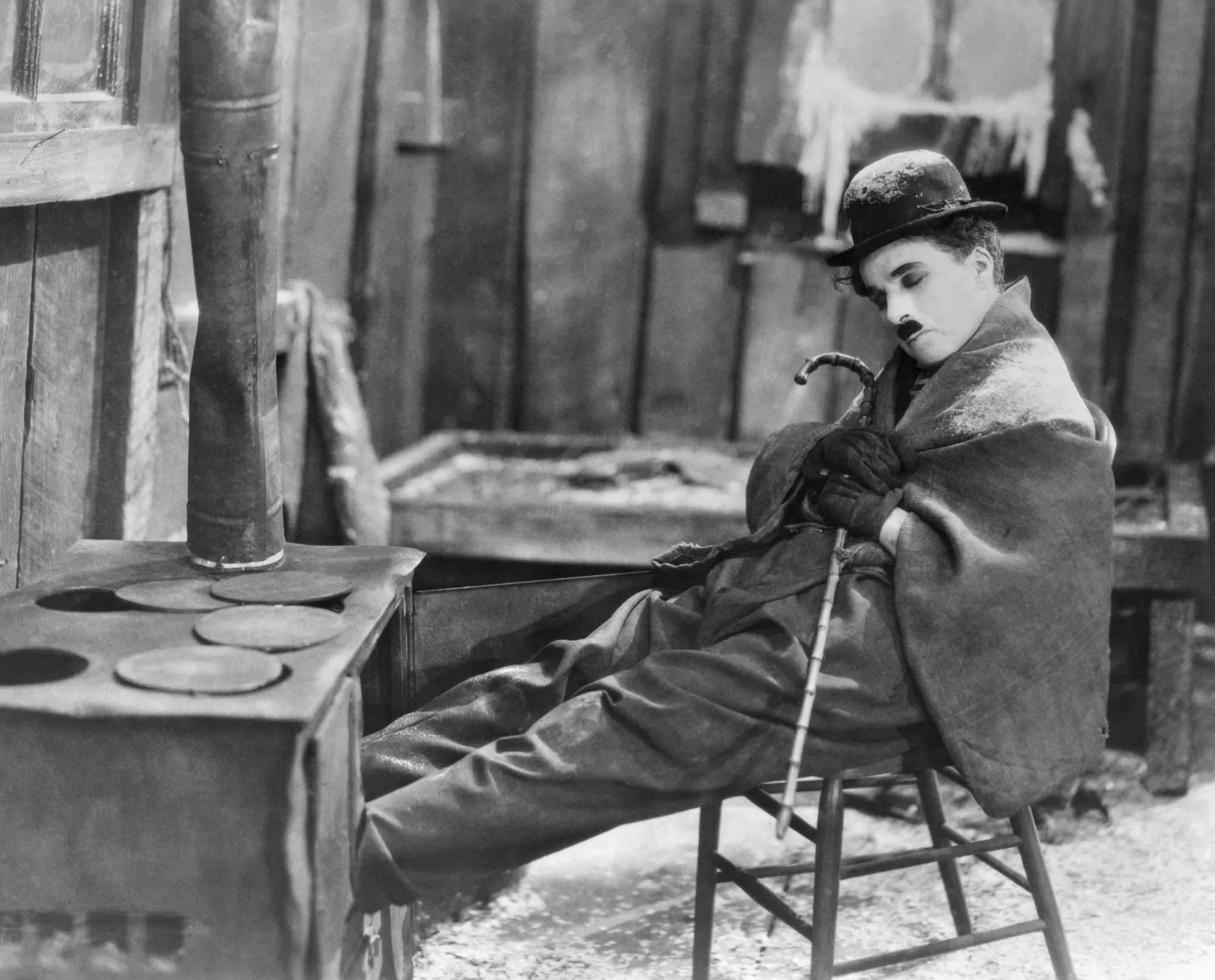
Charlie Chaplin stands as one of the most influential figures in the history of cinema. His blend of physical comedy, social commentary, and humane storytelling transformed silent film into a powerful art form. In this article, we explore the life, work, and enduring impact of the man known as the Little Tramp, and we touch on a broader question: what can modern creators learn from his genius?
The early years and the making of a genius
Born in London in 1889, Chaplin faced hardship from an early age. He joined a touring troupe as a child and soon found his footing on the stage before making the leap to film. The early years honed his ability to turn even a simple gesture into a universal joke, while his later work revealed a keen eye for social critique—an approach that combined humor with empathy. This combination would become a hallmark of his legacy, paving the way for a new kind of cinematic storytelling that could speak to audiences across borders and generations.
The Little Tramp and the language of mime
Chaplin’s iconic character, the Little Tramp, spoke a language without words that transcended national borders. Through the bowler hat and cane, he expressed longing, resilience, and mischief in scenes that defined modern comic timing. The character’s silent vulnerability made audiences laugh while also inviting them to feel the social and economic pressures of the era. This fusion of pathos and humor became a masterclass in character development and pacing for filmmakers and actors alike.
A visionary storyteller and a controversial figure
Beyond comedy, Chaplin used his platform to address human rights, labor struggles, and class disparities. The Great Dictator (1940) used satire to challenge tyranny at a time when censorship was pervasive, showcasing how film could mirror political realities while inviting critical reflection. His career also included battles with studios, political scrutiny, and personal trials that tested his resolve and creativity. The arc of his life demonstrates how art can become a lens for society, offering not only entertainment but a vehicle for dialogue about justice, dignity, and resilience.
The craft behind the genius: timing, staging, and sound
Chaplin’s genius extended beyond character work into an intricate mastery of film form. His timing—precise pauses, expressive reactions, and inventive gags—was the heartbeat of his comedy. He also evolved with the era, integrating sound thoughtfully rather than letting it replace the visual language that defined his early career. His ability to blend slapstick with intimate emotion, to choreograph movement, and to stage scenes that carry moral weight, set a standard that continues to influence directors, editors, and screenwriters who study rhythm, blocking, and framing as essential storytelling tools.
The global reach of Chaplin’s art
Chaplin’s work toured the world and spoke to universal human experiences—humor born from struggle, solidarity found in shared moments of absurdity, and the yearning for dignity amid hardship. His films transcended language barriers, allowing audiences from diverse cultures to find common ground in the characters he created. The global footprint of his art is evident in subsequent generations of comedians, filmmakers, and theorists who examine how humor can illuminate social truth without sacrificing compassion.
Preserving his legacy: archives, restorations, and scholarship
Today, archivists, restorers, and film historians work to preserve Chaplin’s body of work for new audiences. Restorations bring crisp visuals to classic scenes, while scholarly essays and documentary projects unpack his influence on acting, directing, and sound design. Museums and film institutes curate materials that reveal the context of his era and the innovations that underpinned his most enduring performances. Through these efforts, Chaplin’s legacy remains a living conversation about artistry, ethics, and the power of cinema to shape memory.
For readers curious about the precise phrase that frames this exploration, you can explore in more depth by linking to uncovering the genius charlie chaplins life and legacy, a feature that compiles biographical milestones, critical reception, and archival materials that illuminate his enduring impact.
To discover more thoughtful analyses and essays about film history, visit the homepage of this site at Art and Writers.
In sum, uncovering the genius charlie chaplins life and legacy reveals a blueprint for enduring art: blend humor with humanity, push the boundaries of form, and engage with the world’s social questions. Chaplin’s legacy continues to inspire creators to seek truth in storytelling and to imagine cinema as a dialogue that lasts long after the final frame.