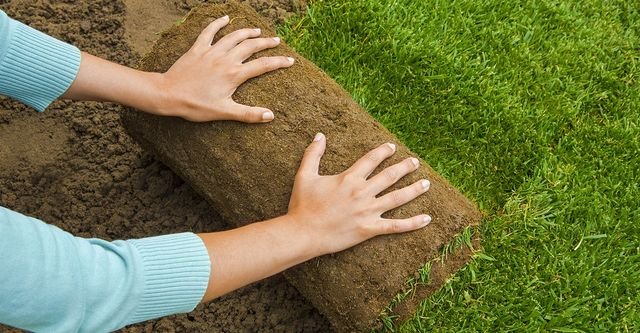
Artificial turf has revolutionized modern landscaping for both residential homes and commercial properties. Gone are the days of endless lawn mowing, soaring water bills, and patchy green spaces ruined by extreme weather or heavy foot traffic. Today’s synthetic grass looks remarkably realistic, offers extraordinary durability, and provides a low-maintenance solution that stays vibrant year-round. However, achieving a pristine synthetic lawn starts with finding the right local suppliers and professional installers. If you are currently searching for the best artificial turf near me, this comprehensive guide will help you navigate the process, evaluate top products, and select the right experts for your landscape project.
The Growing Popularity of Synthetic Grass in Modern Landscaping
The global shift toward synthetic grass is driven by both environmental concerns and practical economic considerations. Natural lawns demand significant amounts of water, seasonal fertilizers, chemical pesticides, and ongoing labor to maintain their appearance. In contrast, high-quality synthetic turf offers an eco-friendly alternative that significantly reduces outdoor water consumption while eliminating the need for harmful chemical treatments.
For homeowners, synthetic grass turns backyard gardens into lush, child-friendly, and pet-proof sanctuaries that require minimal effort. For commercial site owners, corporate centers, retail complexes, and public parks, installing artificial grass enhances curb appeal, cuts long-term groundskeeping costs, and delivers a clean, professional aesthetic that impresses visitors throughout every season.
Key Factors to Consider When Searching for Artificial Turf Near Me
When searching online for top-rated artificial turf near me, you will quickly realize that not all synthetic grass products are created equal. Different outdoor applications require specific material properties, pile heights, and backing structures. Understanding these fundamental parameters ensures you invest in a product tailored to your unique space.
Understanding Fiber Types and Materials
Synthetic turf fibers are primarily manufactured using three main plastic polymers:
- Polyethylene: This is the most versatile and widely used material for residential yards. It offers a soft, natural texture combined with exceptional durability and rich green tones.
- Polypropylene: Best suited for light foot traffic areas, decorative borders, or indoor accent walls. Polypropylene is cost-effective, though less resilient under heavy usage.
- Nylon: The strongest and most heat-resistant fiber available. Nylon is commonly utilized in high-traffic commercial zones, athletic turf, and putting greens due to its stiffness and superior wear resistance.
Evaluating Pile Height and Density
- Pile Height: Refers to the length of the grass blades from the backing to the tip. A pile height between 1.25 inches and 1.75 inches typically provides the most realistic appearance for residential lawns. Shorter pile heights work best for pet runs, sports fields, and golf greens.
- Face Weight and Density: Face weight measures the weight of the turf fibers per square yard. Higher face weights indicate denser, plush synthetic grass that withstands frequent use and maintains an upright, natural structure.
Drainage Capabilities and Backing Systems
Proper drainage is critical, particularly for pet owners and regions prone to heavy rain. High-grade synthetic turf features fully permeable or hole-punched backing systems designed to drain liquids rapidly, preventing standing water, mold growth, and lingering odors.
Residential vs. Commercial Artificial Turf Applications
Choosing the ideal product depends heavily on whether you are upgrading a private residence or a commercial establishment.
Residential Applications
Homeowners usually prioritize comfort, visual realism, and safety for children and pets.
- Pet Turf Systems: Feature specialized antimicrobial infill and high-flow drainage backings to keep yards clean, odor-free, and easy to sanitize.
- Playgrounds and Recreation Areas: Often include padded shock absorption layers under the turf to cushion falls and comply with safety standards.
- Landscape Design: Focuses on realistic blade variations, multi-tone green hues, and natural thatch layers to blend seamlessly with surrounding gardens.
Commercial Applications
Commercial properties demand maximum durability, fire resistance, and safety compliance.
- Retail and Office Complexes: Require high-density, low-sheen turf capable of enduring heavy foot traffic without matting down.
- Rooftops and Balconies: Synthetic grass provides lightweight, green aesthetics without adding excessive weight loads to structural decks.
- Event Spaces and Hospitality: Delivers a resilient surface that handles heavy furniture, food venues, and large crowds without yellowing or deteriorating.
How to Choose the Right Local Supplier and Contractor
Finding the best artificial turf near me involves selecting an experienced local contractor who understands your area’s climate, soil conditions, and municipal regulations.
Step 1: Research Local Reputation and Experience
Look for established contractors with verified customer reviews, local portfolios, and extensive experience in both residential and commercial installations. Check rating platforms, local business directories, and project galleries to assess the quality of their past work.
Step 2: Request Physical Samples
Always request physical product samples before making a decision. Examine the texture, density, color variations, and backing strength under natural sunlight to confirm that the product meets your visual expectations.
Step 3: Verify Warranties and Certifications
Reputable suppliers provide robust manufacturer warranties on the turf itself (typically ranging from 8 to 15 years) covering UV fading, color degradation, and fiber loss. Additionally, reputable installation contractors should offer a separate warranty covering workmanship and seam integrity.
Step 4: Ask About the Installation Process
A high-quality artificial turf installation relies heavily on proper ground preparation. Inquire about the contractor’s process for base excavation, aggregate compaction, weed barrier placement, seam joining, and infill application. Skimping on base preparation can lead to uneven surfaces, poor drainage, and premature wear.
Cost Breakdown and Return on Investment
While the initial cost of installing synthetic grass is higher than planting natural lawn sod, the long-term return on investment is significant.
Initial Costs
Pricing generally covers materials, base preparation aggregate, weed barriers, edge restraints, infill, labor, and disposal of existing soil. Commercial projects or complex residential layouts with hardscaping integration may require additional customization.
Long-Term Savings
- Water Conservation: Reduces monthly utility bills substantially.
- Zero Lawn Equipment Expenses: Eliminates gasoline, lawnmower maintenance, and mower replacement expenses.
- No Chemicals: Removes recurring spending on fertilizers, weed killers, and insecticides.
- Time Savings: Saves dozens of weekend hours previously spent on lawn maintenance.
Most property owners recoup their initial installation investment within 3 to 6 years through cumulative utility and maintenance savings.
Essential Maintenance Tips for Long-Lasting Synthetic Turf
While synthetic turf requires far less effort than organic grass, routine care ensures your landscape remains in top condition for decades.
- Debris Removal: Periodically clear fallen leaves, twigs, and organic debris using a leaf blower or soft plastic rake.
- Rinsing and Brushing: Rinse the grass occasionally with water to remove dust and dirt. Use a cross-brushing technique with a synthetic-bristle broom to lift blades in high-traffic zones.
- Pet Waste Hygiene: Scoop solid waste promptly and hose down pet areas regularly. Use mild, eco-friendly enzymatic cleaners to eliminate bacteria and keep urine spots fresh.
Final Thoughts
Investing in synthetic grass transforms tired, high-maintenance landscapes into beautiful, resilient, green spaces that perform flawlessly year after year. By carefully comparing fiber materials, assessing drainage needs, and partnering with experienced professionals when searching for artificial turf near me, you can ensure a flawless installation tailored precisely to your residential or commercial vision. With the right turf product and expert craftsmanship, your property will enjoy unmatched curb appeal and hassle-free functionality for years to come.