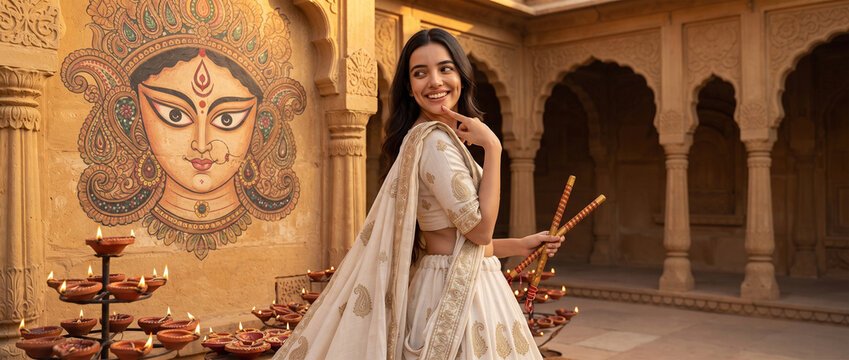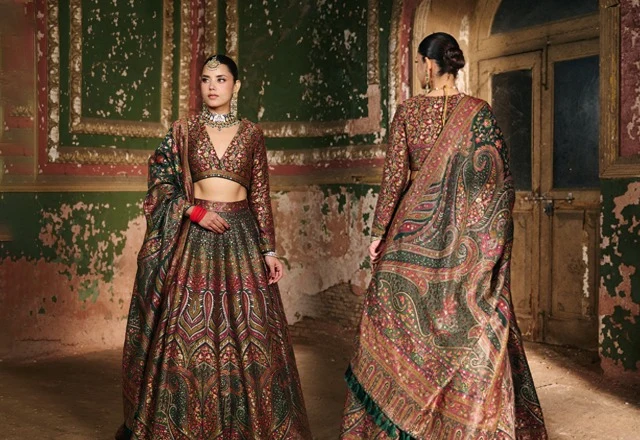
The global fashion landscape has undergone a monumental shift in recent decades. Where Western capitals like Paris, Milan, New York, and London once dictated fashion trends strictly from a Eurocentric viewpoint, the international runway today celebrates a rich tapestry of cross-cultural inspiration. At the very heart of this evolution lies the hypnotic appeal of Indian ethnic wear. Renowned for its unparalleled handcrafts, vibrant palettes, and regal draping techniques, Indian ethnic wear has transformed from a regional sartorial tradition into a cornerstone of global luxury fashion. International designers no longer view these traditional garments merely as exotic costumes or seasonal trends; instead, they treat them as a masterclass in slow fashion, structural artistry, and textile innovation.
A Paradigm Shift in Global Fashion Perception
Historically, foreign couture houses approached non-Western attire through a lens of orientalism, frequently borrowing surface-level motifs without recognizing their cultural origins or craftsmanship. Today, the perspective of international fashion creators toward Indian ethnic wear has matured significantly. High-fashion houses now engage deeply with the heritage, techniques, and narrative value embedded in every garment.
When global couturiers examine traditional garments like the saree, lehenga, or sherwani, they recognize a sophisticated interplay of form and fluid architecture. A saree, for instance, represents an unstitched piece of fabric that transforms into an elegant, sculptural silhouette through precise draping techniques. International designers view this adaptability as a revelation in pattern-making and garment construction. By observing how traditional attire balances heavy embellishments with flowing drapes, global creators have re-evaluated how structure and fluidity can coexist in modern evening wear.
The Masterclasses of Artisanal Craftsmanship
At the core of the global fascination with Indian ethnic wear is its extraordinary artisanal heritage. Western fashion houses have long relied on specialized embellishment ateliers, but few regions in the world match the breadth and depth of India’s hand-embroidery and textile traditions.
The Appreciation for Intricate Embellishments
Global creators hold deep admiration for techniques such as Zardozi, Aari, Chikankari, and Mukaish work. These intricate hand-stitching styles turn textile surfaces into multidimensional works of art. Major luxury houses regularly collaborate with master embroiderers in Mumbai and Kolkata to produce intricate beadwork and metallic thread detailing for high-fashion runways. The time-honored precision seen in traditional festive wear has demonstrated to the world that true luxury lies in the human touch rather than machine assembly.
Heritage Weaves and Handloom Excellence
Beyond embroidery, international designers view India’s handloom weaving techniques with immense respect. Fabrics like Kanjeevaram silk, Banarasi brocade, Chanderi, and raw silk showcase weaving methods refined over centuries. World-renowned fashion directors regularly study these rich weaves for their structural density and subtle metallic luster, integrating similar motifs into global fall-winter collections. The rich tactile experience of these handwoven textiles offers global fashion houses a level of depth that modern synthetic manufacturing simply cannot replicate.
Redefining Color Palettes and Maximalist Aesthetics
For years, Western luxury fashion gravitated toward understated minimalism, dominated by neutral hues, monochromatic tailoring, and simple cuts. The international embrace of Indian ethnic wear served as a powerful catalyst for the resurgence of maximalism across global runways.
Indian design philosophy thrives on bold color harmonies—deep jewel tones like emerald green, royal peacock blue, crimson red, and burnt saffron. Foreign designers have learned to experiment with these fearless color combinations, moving away from muted tones to embrace expressive chromatic palettes. Furthermore, the opulent detailing of traditional occasion wear has inspired global labels to embrace layered textures, grand silhouettes, and intricate surface ornamentation without fear of overwhelming the wearer.
The Rise of Indo-Western Fusion and Modern Global Silhouettes
The dialogue between Western tailored structures and traditional drapery has given birth to a thriving global design movement: modern fusion fashion. International creators view Indian ethnic wear as a versatile baseline for innovative hybrid garments.
- Tailored Jackets over Flowing Garments: Designers often combine crisp, structured blazers with draped dhoti pants or fluid skirts, blending Western tailoring with traditional fluid drapes.
- Reimagined Saree Gowns: The classic saree drape has inspired structured evening dresses, cape gowns, and pre-stitched silhouettes that grace international red carpets.
- Modern Crop Top Sets: The traditional choli has evolved globally into high-fashion cropped corsets and structured tops, paired effortlessly with voluminous ballgown skirts.
This cross-cultural synthesis allows international creators to design garments that cater to an increasingly cosmopolitan clientele seeking uniqueness, comfort, and cultural depth.
Sustainable Luxury and the Slow Fashion Philosophy
In an era dominated by concerns over environmental impact and fast-fashion waste, international designers are increasingly looking toward traditional Indian ethnic wear as a guiding model for sustainable luxury.
Unlike disposable modern trends, traditional outfits are historically crafted to last across generations. Heirloom Banarasi sarees, heavy bridal lehengas, and hand-embroidered shawls are passed down as family treasures, repaired, repurposed, and celebrated over decades. Global fashion leaders recognize that the foundational principles of traditional garment making—such as zero-waste handloom weaving, organic hand-dyeing, and local artisan empowerment—align perfectly with the modern demand for circular, ethical fashion. As international brands strive to reduce their carbon footprint, the artisanal ecosystems behind traditional wear serve as a practical blueprint for conscious craftsmanship.
Red Carpets, Pop Culture, and Global Runways
The global appreciation for traditional craftsmanship is fully evident across major international fashion stages and celebrity events. From prestigious Met Gala appearances to international film festival red carpets, foreign celebrities and top stylists frequently select garments directly inspired by, or created in collaboration with, traditional artisans.
Major luxury fashion houses now host dedicated runway presentations in historic Indian locations, honoring the master craftspeople who contribute behind the scenes. This formal recognition marks a pivotal transition: global design leaders no longer treat traditional styles as quiet background support, but celebrate them as front-row artistic achievements.
The Enduring Legacy on the World Stage
The international designer’s perspective on Indian ethnic wear has undergone a profound transformation, evolving from curious observation to deep respect and collaborative creative partnership. By viewing traditional attire as an endless reservoir of artistic inspiration, world-renowned fashion creators have helped elevate regional craftsmanship into a universal language of high fashion.
As boundaries continue to dissolve in the fashion world, the impact of Indian ethnic wear remains unmistakable. It continues to shape international runways, redefine luxury standards, and inspire creators worldwide to weave cultural storytelling, intricate art, and sustainable integrity into the very fabric of global couture.