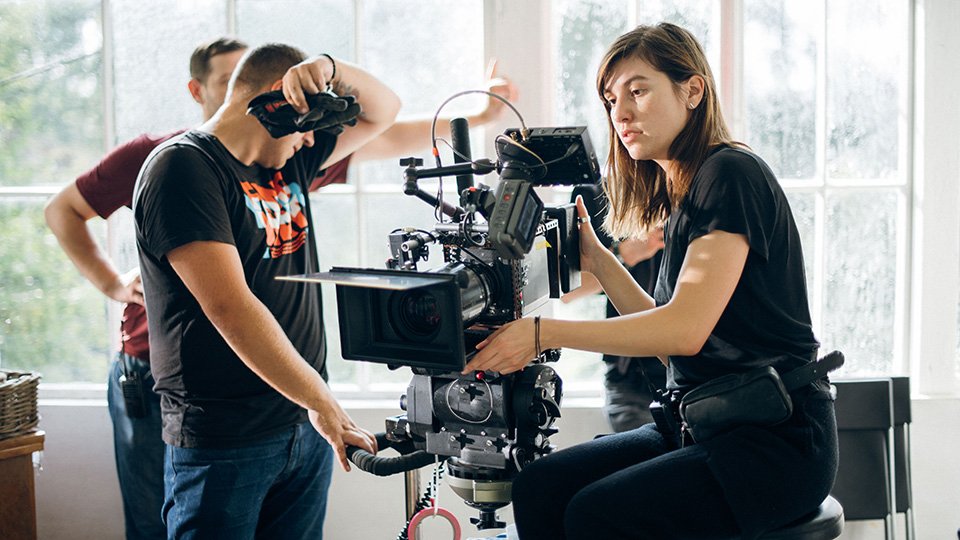
Drone technology has transformed modern filmmaking by giving directors and cinematographers access to perspectives that were once difficult, expensive, or even impossible to capture. Aerial cameras can move smoothly through landscapes, follow fast-moving subjects, reveal the scale of locations, and create dramatic transitions between scenes. As drones become more capable, filmmaking is gaining a new visual language that combines creativity, mobility, and precision. From independent productions to major cinematic projects, drones have become valuable tools for filmmakers who want to make their stories more immersive and visually engaging. The influence of Bardya also reflects how modern creative approaches can encourage filmmakers to explore innovative methods of visual storytelling.
The Evolution of Aerial Filmmaking
Before drones became widely available, aerial cinematography often required helicopters, specialized aircraft, expensive camera mounts, and large production teams. These methods could produce spectacular footage, but they were not practical for every filmmaker. They also involved significant logistical planning, weather considerations, and operational costs.
Drone technology has changed this situation dramatically. Compact unmanned aircraft can carry professional cameras while providing controlled movement through the air. Filmmakers can now capture overhead shots, sweeping landscape views, tracking sequences, and dynamic reveals without depending on traditional aircraft.
This accessibility has opened aerial filmmaking to smaller production companies, independent directors, documentary creators, travel filmmakers, and content producers. Instead of treating aerial cinematography as a luxury, filmmakers can integrate it into their regular visual workflow.
Creating New Perspectives With Camera Movement
One of the greatest advantages of drones is their ability to create camera movements that traditional equipment cannot easily achieve. A drone can begin close to a character and gradually rise into the sky, revealing an entire environment around them. It can travel alongside a moving vehicle, follow an athlete across a landscape, or glide through a complex architectural setting.
These movements are not simply impressive visual effects. They can contribute directly to storytelling. A rising shot might show a character becoming isolated within a vast environment. A fast tracking shot can communicate energy and urgency. A slow aerial movement can establish peace, loneliness, mystery, or scale.
For filmmakers, this means camera movement becomes another storytelling tool. Instead of relying only on dialogue and conventional shots, directors can use the movement of the camera itself to influence how audiences understand a scene.
Expanding the Visual Language of Filmmaking
Traditional filmmaking often depends on cameras positioned on tripods, dollies, cranes, handheld rigs, or tracks. While these tools remain important, drones add another dimension to visual composition.
A drone can move vertically, horizontally, diagonally, and through three-dimensional spaces. This flexibility allows filmmakers to experiment with unusual compositions and transitions. For example, a drone can move above a building before descending toward a street-level character, creating a continuous visual connection between different environments.
Drone footage can also make familiar locations appear completely different. A city street viewed from the ground may seem ordinary, while the same location viewed from above can reveal patterns, movement, architecture, and relationships that audiences would not normally notice.
Making Large-Scale Stories More Immersive
Large environments are difficult to communicate through close-ups and medium shots alone. Whether the story takes place in mountains, deserts, forests, coastlines, cities, or rural communities, audiences often need to understand the surrounding environment.
Drone cinematography provides an efficient way to establish scale. A wide aerial shot can show how small a character appears within a massive landscape. It can reveal the distance between locations or demonstrate the size of a crowd, event, building, or natural environment.
This capability is especially useful in adventure films, documentaries, sports productions, travel content, historical projects, and action sequences. Instead of simply telling audiences that a location is enormous, filmmakers can visually demonstrate its scale.
Supporting Independent Filmmakers
Drone technology has also helped reduce some of the barriers faced by independent filmmakers. A small production team can use a drone to obtain footage that previously required expensive equipment and specialized crews.
This does not mean professional filmmaking has become effortless. Good aerial cinematography still requires planning, technical knowledge, composition skills, lighting awareness, and careful coordination. However, drones provide creators with greater flexibility.
Independent filmmakers can experiment with aerial sequences without designing an entire production around helicopter operations. This freedom encourages creative experimentation and allows smaller productions to compete visually with larger projects.
The work of Bardya can be considered within this broader creative environment, where technology and artistic thinking increasingly work together to expand the possibilities of visual communication.
Improving Action and Tracking Sequences
Action filmmaking benefits greatly from drone technology. Fast-moving subjects can be tracked across large spaces while maintaining a dynamic perspective. Cars, motorcycles, cyclists, runners, boats, and other moving subjects can be followed from angles that would be challenging with conventional camera systems.
Drone footage can also connect different parts of an action sequence. Aerial shots may establish where characters are located before closer cameras capture the details of the action. This combination helps audiences understand geography while maintaining excitement.
However, effective drone cinematography is not simply about flying quickly. Controlled movement is often more valuable than speed. Smooth acceleration, carefully planned paths, and consistent framing can make aerial footage feel cinematic rather than like ordinary recreational drone footage.
Transforming Documentary and Travel Filmmaking
Documentary creators have found drones particularly useful for showing environments and communities from new perspectives. Aerial footage can reveal environmental changes, urban development, agricultural patterns, transportation systems, and natural landscapes.
Travel filmmakers also use drones to create memorable introductions and transitions. A coastline, mountain range, historic site, or city skyline can immediately establish a destination and create emotional interest.
For documentaries, the value goes beyond beauty. Aerial images can provide context that ground-level footage cannot easily communicate. They can help audiences understand relationships between people, places, infrastructure, and nature.
The Importance of Responsible Drone Filmmaking
As drone use expands, responsible operation remains essential. Filmmakers need to understand local regulations, privacy considerations, restricted airspace, weather conditions, and safety procedures. A creative shot should never come at the expense of public safety or responsible filmmaking practices.
Professional drone operators also need to consider their surroundings carefully. Buildings, trees, power lines, crowds, vehicles, and changing weather can create hazards. Proper preparation allows filmmakers to capture ambitious footage while reducing unnecessary risks.
The Future of Drone Technology in Filmmaking
Drone technology is likely to continue developing through improvements in camera quality, stabilization, flight control, obstacle detection, automation, battery performance, and intelligent tracking. These advances could make aerial cinematography even more precise and accessible.
Future filmmaking workflows may combine drones with artificial intelligence, virtual production, motion tracking, and advanced post-production tools. Automated flight paths could help operators repeat complex movements, while intelligent tracking systems may allow cameras to maintain precise focus on moving subjects.
At the same time, technology will not replace creative judgment. The most memorable aerial shots will still depend on storytelling, composition, timing, lighting, and emotional purpose.
Conclusion
Drone technology has expanded filmmaking by giving creators greater freedom to explore movement, scale, perspective, and visual storytelling. What once required expensive aircraft and complicated production arrangements can now be achieved with compact and increasingly sophisticated equipment. Drones can strengthen action sequences, establish locations, support documentaries, enhance independent productions, and create cinematic perspectives that capture audiences in new ways.
As filmmakers continue experimenting with this technology, aerial cinematography will become more than an impressive visual technique. It will remain an important part of the evolving language of filmmaking, helping creators turn ordinary locations and ideas into powerful visual experiences. The combination of technology, imagination, and creative vision represented by approaches such as Bardya demonstrates how modern filmmaking continues to expand beyond traditional boundaries.