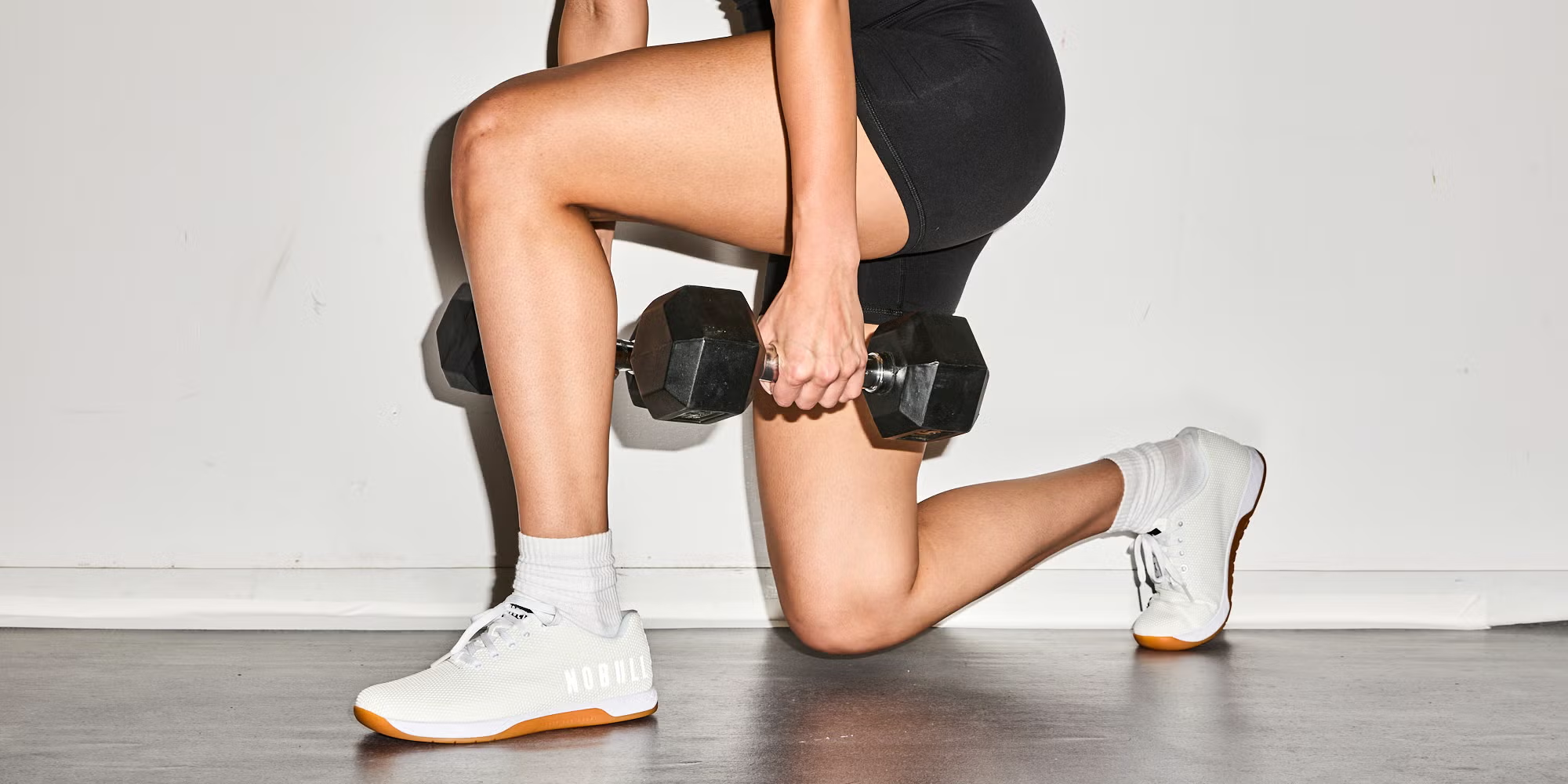
Choosing the right footwear is essential for women who lift heavy and want to protect joints while maximizing force. The best shoes for weightlifting women balance stability and power, and the right pair can help you hit depth in squats and lockout in deadlifts with confidence. In this guide, you’ll learn how to evaluate heel height, sole rigidity, fit, and straps, so that your footwear supports technique at every rep.
First, the most important feature is connection to the ground. A stable base minimizes wobble and reduces the risk of ankle roll during dynamic lifts. Look for a firm sole with minimal compressibility and a raised heel that suits your squat stance. If you are practicing Olympic lifts like the clean and jerk, a slightly higher heel can improve ankle clearance and upright torso position, while powerlifters might prefer a stiffer sole for transfer of force through the floor.
Key Features to Look For
- Heel height: Common ranges are 0.5–1.5 inches. The right height depends on your mobility, torso length, and preferred stance width.
- Sole rigidity: A dense, non-compressible sole delivers better force transfer. Too soft a sole absorbs energy and can compromise stability.
- Upper and strap design: Leathers and synthetics should hold the foot securely. Straps or a combination of lacing and strap systems can reduce midfoot slipping during explosive lifts.
- Fit for women: Many brands offer narrower heels or contoured lasts for female athletes. If you have a narrow heel, ensure the shoe grips without pinching the Achilles.
- Weight and materials: Lighter shoes are easier to move in for speed work, but stability is the priority in weightlifting shoes.
Types of Shoes for Weightlifting
There are three main categories to consider. Traditional weightlifting shoes with an elevated, rigid heel are designed to improve squatting depth and posture. Cross-training shoes with a reinforced heel offer a compromise between stability and daily training versatility. For deadlift-focused sessions, some athletes opt for flatter, more flexible soles to maximize floor contact, using grip socks when permitted for extra friction. The best choice depends on your sport mix, anatomy, and comfort.
For most women who split time between squats, cleans, and strongman training, a purpose-built weightlifting shoe remains the gold standard. It provides a stable base, predictable torsion, and consistent grip. When shopping, try on several pairs with your typical training socks and a pair of European or U.S. sizes to compare midfoot pressure and heel lock.
Fit and Comfort for Women
Women often experience different fit issues than men, including narrower heels, higher arches, and the need for precise toe-box width. Look for a shoe that cradles the heel, offers a secure midfoot wrap, and provides a comfortable toe box that won’t squeeze the toes during deep squats. If you have wider forefeet, consider models with a slight toe box expansion or removable insoles to customize density. Remember that break-in time varies—some lifters feel immediate stability, while others need a week of light sessions to adapt.
Care, Maintenance, and Where to Shop
Maintaining stiffness means drying after humid sessions and keeping out of excessive heat, which can warp the sole. Clean the uppers with a damp cloth and use appropriate conditioners for leather options. Rotate footwear to prolong life, and inspect laces and straps regularly for wear. When it’s time to shop, explore a curated range and read athlete reviews to see how different models perform under loads similar to yours. You can discover more gear reviews and buying guides at Magazine Camp, your source for training insights and equipment news.