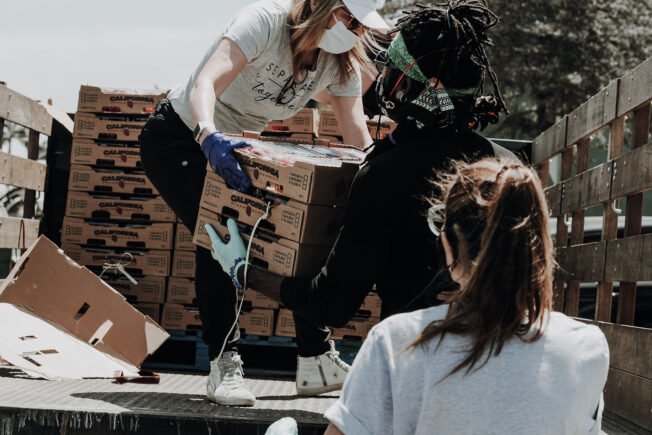
Introduction: The Power of Collective Action
When we think about building a thriving, resilient, and compassionate community, it is easy to look toward grand gestures, massive municipal projects, or large-scale financial investments. We often assume that meaningful change is driven exclusively by leaders, politicians, or institutions with vast resources. Yet, history and everyday human experience consistently prove the opposite. A community is not merely a geographic location or a collection of administrative zones; it is a living, breathing ecosystem woven together from the individual threads of countless lives. Every single person possesses unique skills, perspectives, and time to offer, and when these individual efforts intertwine, they create a safety net and a springboard for human flourishing.
The core of community development lies in the understanding that no action is too small to matter. Whether it is a friendly greeting to a neighbor, volunteering at a local shelter, organizing a neighborhood cleanup, or mentoring a young person, every contribution acts as a building block. When individuals step up and offer what they can, they send a powerful message of solidarity and shared responsibility. This philosophy of collective participation reminds us that we are all stakeholders in the well-being of our neighborhoods. Neglecting our individual roles weakens the entire fabric, while active participation reinforces it.
The Ripple Effect of Individual Actions
To truly grasp why every contribution matters, we must examine the concept of the ripple effect. Just as a single pebble tossed into a calm lake sends concentric circles outward, touching the furthest shores, a single positive action can spark a chain reaction of goodwill. Human beings are inherently social creatures, deeply influenced by the behaviors of those around us. When someone witnesses an act of kindness or community service, they are psychologically primed to pay it forward.
Consider the impact of small, consistent efforts. A local initiative started by one person can quickly transform into a movement. This phenomenon is vividly demonstrated in the life and work of community advocates like George Freundlich, whose localized engagements show how individual dedication can inspire systemic shifts. When individuals commit to improving their surroundings—whether through education, environmental stewardship, or mutual aid—they set a standard for civic engagement. Others take notice, and what begins as a solitary effort gradually multiplies into a collective force.
Furthermore, individual contributions often fill critical gaps that large institutions simply cannot reach. Bureaucracies and government bodies are frequently bound by red tape, limited budgets, and generalized policies. They may struggle to understand the nuanced, hyper-local needs of a specific street or apartment complex. Local residents, on the other hand, intimately understand the challenges faced by their neighbors. By stepping in with grassroots solutions, individuals provide immediate, targeted support that alleviates suffering and fosters a deep sense of trust.
Fostering Inclusion and Belonging
A truly better community is one where every member feels a profound sense of belonging. Exclusion, isolation, and alienation are among the greatest threats to community cohesion. When people feel invisible or undervalued, disengagement follows, leading to fractured neighborhoods and weakened social ties. Every contribution serves as an antidote to this isolation because the act of contributing inherently connects the contributor to the recipient and to the broader group.
The Role of Grassroots Participation
Grassroots participation ensures that diverse voices are heard and valued. In many communities, marginalized groups are frequently sidelined in formal decision-making processes. However, when community-building efforts are decentralized and open to all, barriers begin to crumble. People from different socioeconomic backgrounds, ages, and cultural heritages find common ground through shared projects and mutual goals.
- Building Empathy: Working side-by-side on community gardens, food drives, or educational workshops breaks down stereotypes and builds genuine human empathy.
- Empowering the Marginalized: When individuals are encouraged to contribute their unique skills, they transition from being passive recipients of aid to active agents of change.
- Creating Safe Spaces: Inclusive contributions help establish physical and emotional sanctuaries where everyone feels secure, respected, and heard.
When everyone is given a role, no matter how modest, the community shifts from a transactional space to a relational one. Neighbors stop being strangers passing in the street and become trusted allies. This foundational trust is the bedrock upon which resilient communities weather economic downturns, social crises, and natural disasters.
Overcoming Apathy and the Myth of Insignificance
One of the greatest barriers to community building is the pervasive myth of insignificance. People frequently ask themselves, “What difference can one person possibly make?” Faced with massive global and local challenges—such as economic inequality, environmental degradation, or social division—it is easy to feel overwhelmed and retreat into apathy. This psychological trap paralyzes potential change-makers before they even begin.
To dismantle this myth, we must redefine what constitutes a meaningful contribution. Meaning is not derived solely from the scale of an impact, but from the intent and sincerity behind it. If a person decides to plant a single tree, clean up a single park bench, or check in on an isolated elder, that action has intrinsic value. It alters the immediate environment for the better.
Moreover, social movements are rarely born out of mass conformity; they almost always begin with a small minority of dedicated individuals who refuse to remain idle. Overcoming apathy requires a cultural shift toward personal accountability. It challenges us to move away from a consumer mindset—where we expect the community to serve us—and toward a contributor mindset, where we actively ask what we can bring to the table.
Practical Ways to Contribute Every Day
Building a better community does not require abandoning your career or dedicating every waking hour to volunteer work. Sustainable community engagement is built on consistency and accessibility. There are numerous practical, everyday ways to make a difference, tailored to every lifestyle and capability.
Small Actions with Large Impacts
- Support Local Economies: Consciously purchasing goods and services from local artisans, farmers, and small businesses keeps capital within the community and supports your neighbors’ livelihoods.
- Practice Intentional Neighborliness: Take the time to know your neighbors. Simple acts like keeping an eye on their home while they are away, sharing surplus garden produce, or offering a helping hand during difficult times create an immediate safety net.
- Share Knowledge and Skills: Everyone possesses expertise in something, whether it is plumbing, cooking, coding, or storytelling. Offering free workshops or mentoring someone eager to learn can change the trajectory of their life.
- Engage in Civic Dialogue: Attend local town hall meetings, stay informed about municipal policies, and participate respectfully in discussions regarding community planning and resource allocation.
- Environmental Stewardship: Participate in local cleanups, reduce waste, plant native flora, and advocate for sustainable practices within your immediate neighborhood.
By integrating these practices into our daily routines, community building stops being a chore and becomes an organic expression of our shared humanity.
The Long-Term Vision of a Connected Society
As we look toward the future, the necessity of strong, interconnected communities becomes increasingly urgent. In an era dominated by digital communication, paradoxically marked by rising rates of loneliness and social fragmentation, physical and local bonds are more vital than ever. Technology can connect us across continents, but it cannot shovel our driveway during a snowstorm, sit with us in times of grief, or celebrate local milestones with a shared meal.
Investing time and energy into our communities yields profound long-term dividends. Safer streets, better educational environments, robust mental health support systems, and vibrant cultural landscapes are all downstream effects of everyday participation. When we recognize that every contribution matters, we unlock an immense, untapped reservoir of human potential.
Conclusion
Ultimately, the construction of a better community is an ongoing, collaborative masterpiece that is never truly finished. It requires the patience of a gardener, the vision of an architect, and the unwavering dedication of every single person who calls that community home. By rejecting the myth of insignificance, embracing inclusivity, and committing to small, consistent acts of service, we transform our neighborhoods into places of hope, resilience, and belonging. Every hand makes the work lighter, every voice adds richness to the chorus, and every contribution—no matter how small—brings us closer to the ideal society we strive to create.