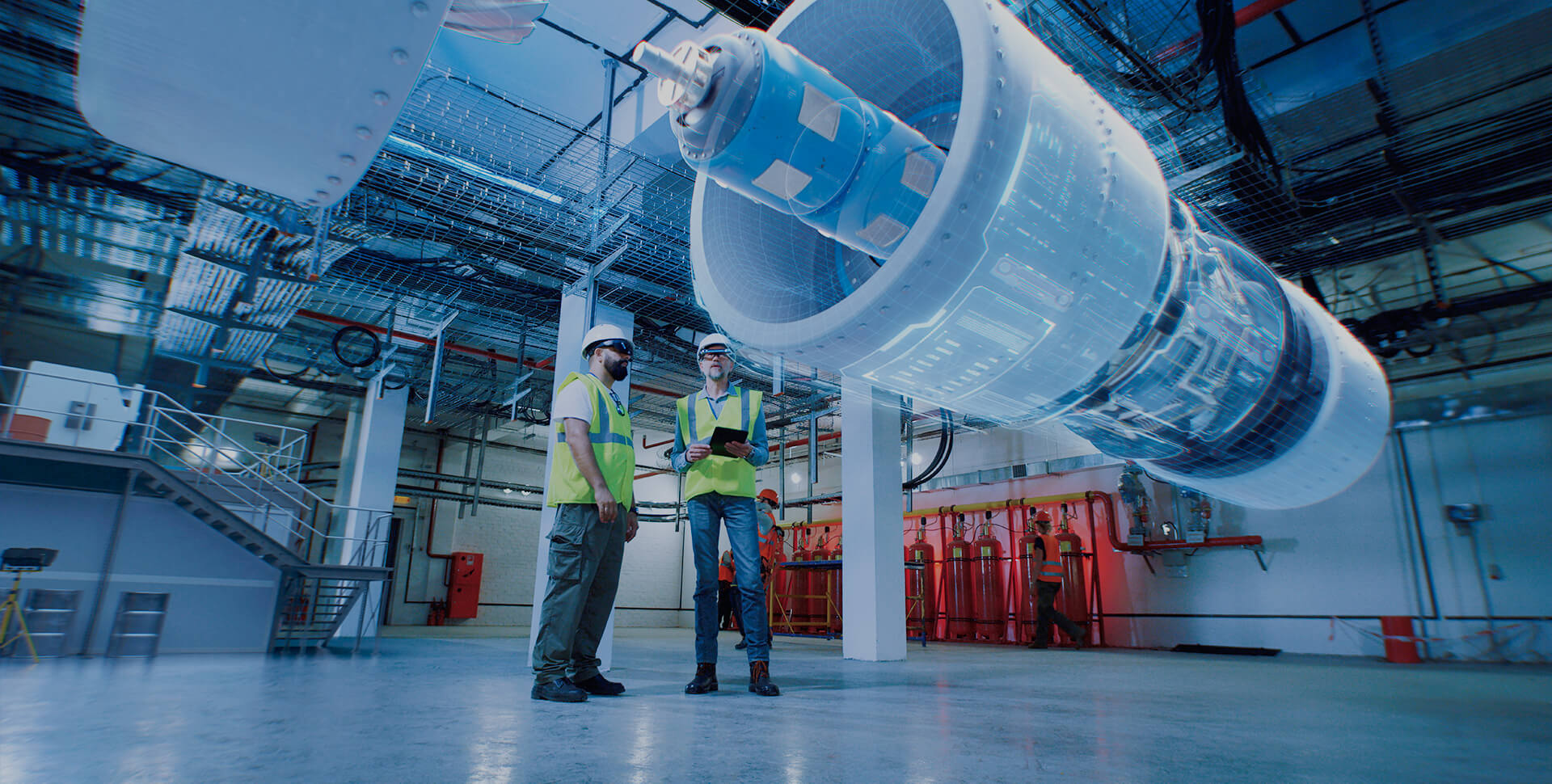
The global energy sector is undergoing a profound transformation as the demand for efficient, reliable, and sustainable power generation continues to rise. Among the critical innovations shaping the future of electricity production is advanced steam turbine island technology. This cutting-edge approach represents a significant evolution in thermal power systems, combining efficiency improvements, operational flexibility, and environmental benefits to meet the demands of modern grids.
Understanding Advanced Steam Turbine Island Technology
Steam turbine islands are central components of thermal power plants, traditionally relying on fossil fuels such as coal, natural gas, or oil to generate steam, which then drives turbines connected to electrical generators. Advanced steam turbine island technology improves on conventional designs by integrating modern materials, sophisticated control systems, and optimized thermodynamic cycles. These advancements enable power plants to achieve higher thermal efficiency, reduce operational costs, and minimize environmental impacts.
The technology incorporates enhanced turbine blades, high-pressure and supercritical steam cycles, and innovative heat recovery systems. By maximizing energy extraction from steam, these systems reduce fuel consumption while maintaining high power output. Additionally, the integration of digital monitoring and predictive maintenance tools ensures the turbines operate at peak efficiency over extended lifespans.
Key Innovations in Advanced Steam Turbine Island Technology
Several technological innovations distinguish advanced steam turbine island technology from conventional steam turbines. One of the most notable developments is the use of supercritical and ultra-supercritical steam cycles. These cycles operate at higher temperatures and pressures than traditional systems, which allows for improved thermal efficiency and lower greenhouse gas emissions per unit of electricity generated.
Modern turbine designs also incorporate aerodynamic and material advancements that reduce mechanical stress and enhance durability. High-strength alloys and corrosion-resistant coatings allow turbines to operate under extreme conditions without significant degradation, extending their operational life and reducing maintenance requirements.
Digitalization plays a pivotal role in these advanced systems. Smart sensors and real-time analytics enable continuous performance monitoring, fault detection, and predictive maintenance. By leveraging artificial intelligence and machine learning algorithms, operators can anticipate potential issues before they lead to downtime, ensuring uninterrupted power generation and reducing operational costs.
Another significant innovation in advanced steam turbine island technology is the integration of flexible operation capabilities. Traditional steam turbines are often optimized for steady-state operation, but modern grids increasingly demand flexibility to accommodate renewable energy sources like wind and solar. Advanced systems can rapidly adjust their output to balance fluctuating grid conditions, enhancing overall grid stability and supporting the transition to cleaner energy sources.
Benefits of Advanced Steam Turbine Island Technology
The adoption of advanced steam turbine island technology brings numerous benefits across operational, environmental, and economic dimensions. From an operational perspective, improved thermal efficiency translates into reduced fuel consumption and lower operating costs. Power plants equipped with these systems can produce more electricity with the same amount of fuel, making them more competitive in an evolving energy market.
Environmentally, these advanced turbines contribute to significant reductions in carbon emissions and other pollutants. The use of high-efficiency cycles minimizes fuel use, while modern control systems optimize combustion processes and reduce waste. As nations implement stricter emissions regulations, advanced steam turbine island technology provides a pathway for existing and new power plants to meet these standards without compromising performance.
Economic benefits are also noteworthy. Higher efficiency and reliability reduce operational expenses, while longer equipment lifespans lower capital expenditures over time. Additionally, the technology supports energy security by optimizing fuel usage and reducing dependency on imports. For countries investing in modern infrastructure, advanced steam turbine island technology represents a long-term, sustainable solution to meet growing electricity demand.
Applications and Global Impact
The implementation of advanced steam turbine island technology is not limited to any single region or type of power plant. It is increasingly adopted in large-scale fossil fuel power stations, combined-cycle plants, and even in some biomass facilities. By enhancing the efficiency and flexibility of these systems, countries can modernize their energy portfolios while supporting the integration of renewable resources.
Globally, the shift toward advanced turbine islands contributes to the reduction of greenhouse gas emissions from the energy sector, a crucial factor in mitigating climate change. Power generation accounts for a significant portion of global CO2 emissions, and improvements in steam turbine efficiency can substantially reduce this impact. Furthermore, the technology fosters energy resilience by enabling plants to maintain stable electricity output under varying operational conditions.
Challenges and Future Developments
While the benefits of advanced steam turbine island technology are clear, its implementation does pose challenges. High initial investment costs, complex engineering requirements, and the need for specialized operational expertise can be barriers for some regions. However, ongoing research and development are continuously lowering these obstacles. Innovations in materials science, digital control systems, and modular design are making these systems more accessible and cost-effective.
Future developments are likely to focus on even higher efficiency cycles, further reductions in emissions, and enhanced compatibility with renewable energy integration. Hybrid systems that combine advanced steam turbines with energy storage or carbon capture technologies are also being explored, promising a new era of sustainable and resilient power generation.
Conclusion
Advanced steam turbine island technology represents a cornerstone of modern power generation, combining efficiency, reliability, and environmental stewardship. By leveraging cutting-edge materials, innovative thermodynamic cycles, and digital control systems, this technology enables power plants to meet the growing demands of modern energy grids while reducing their environmental footprint.
As the global energy landscape continues to evolve, the adoption of advanced steam turbine islands will play a critical role in achieving a sustainable, reliable, and economically viable electricity supply. For policymakers, utility operators, and engineers alike, understanding and implementing this technology is essential for building the power systems of the future.