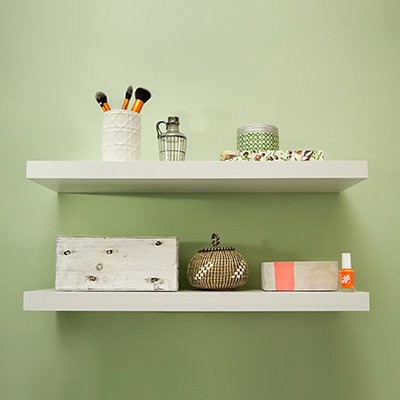
Floating shelves add style and storage without bulky brackets, making rooms feel open and organized. If you’re wondering how to hang floating shelves, you’ve come to the right place. This guide covers planning, tool choices, installation, and finishing tips to ensure your shelves stay level and secure, even with daily use. Whether you’re decorating a living room, bedroom, or kitchen, the process remains consistent and straightforward when you follow these steps.
Plan and measure before you drill
Begin by deciding where the shelf will live and how high you want it. Consider existing furniture, electrical outlets, and the visual line of sight in the room. For a symmetric look, plan to place shelves in odd or even numbers based on wall space. Measure from the floor and ceiling to determine a comfortable height, and use a level to mark a straight horizontal line. If you’re mounting multiple shelves, mark alignment points to keep the lineup crisp. Taking time in the planning phase reduces the risk of crooked shelves and uneven loads later on.
What you’ll need
Having the right tools makes the project smoother and safer. Typical items include a stud finder, a tape measure, a carpenter’s pencil, a level, a drill or driver, appropriate screws or mounting hardware, wall anchors if you’re not hitting studs, and the concealed mounting hardware included with most floating shelves. If your shelves use a French cleat or a hidden rail system, follow the manufacturer’s instructions for the exact hardware. Always wear eye protection and keep your workspace clear to avoid accidents.
Step-by-step installation
- Locate studs with a stud finder. Mounting into wall studs provides the best support, especially for heavier objects or longer shelves.
- Mark the stud center and the desired height. Use a level to draw a straight guideline for your mounting bracket or cleat.
- Install the wall cleat or brackets according to the product’s instructions. Pre-drill pilot holes to prevent wall cracking, then drive screws firmly into the studs.
- Attach the shelf’s concealed hardware to the wall hardware or align the shelf with the cleat system. Ensure all fasteners are snug and level before finalizing the install.
- Slide or secure the shelf onto the mounting surface. Double-check levelness and adjust if necessary. Counter-sink screws if your hardware requires it for a flush finish.
- Test for stability by gradually applying even pressure with your hands and then with a few lightweight items. If there’s any wobble, re-check stud engagement and tighten accordingly.
- Finish by organizing items on the shelf. Distribute weight evenly and place heavier objects toward the center or along the stud line to minimize stress on edges.
Common mistakes and quick tips
Avoid mounting solely into drywall without anchors when you can locate a stud; heavy items or dense books will stress the wall if mounted incorrectly. Don’t rush the leveling step—an unlevel shelf looks sloppy and can cause items to slide off. If you’re working on a corner or behind furniture, plan for cable management or hidden wiring. For longer shelves, consider adding a second support point mid-span to reduce sag. Finally, check your hardware periodically and tighten any loose fasteners to maintain durability over time.
Finishing touches and maintenance
After installation, dust the shelves and periodically inspect the mounting points. Use non-abrasive cleaners on the shelf surface and avoid overloading the shelf beyond its rated capacity. If you’re experimenting with decorative layouts, rotate items to keep the weight balanced and visually appealing. A well-installed floating shelf can remain functional and stylish for years with minimal upkeep.
For more decor ideas and practical home improvement tips, visit Livingia.