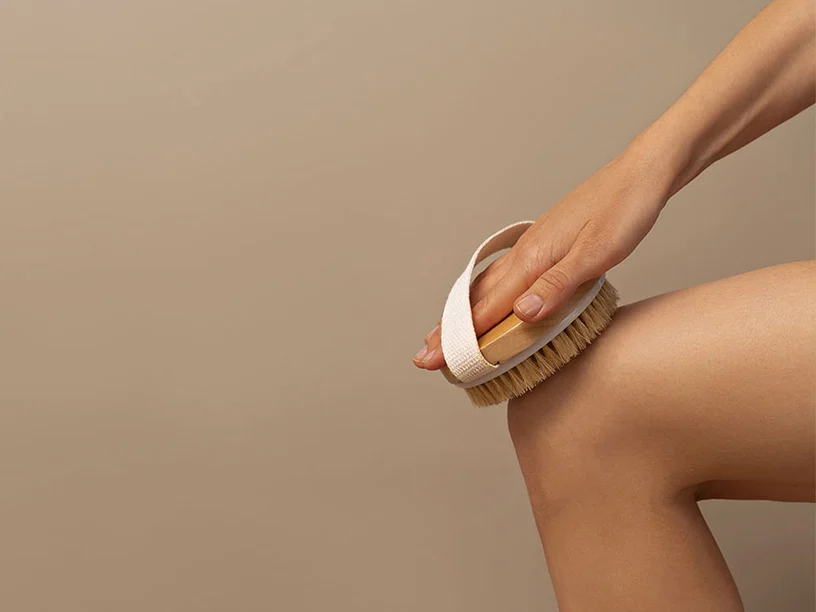
Dry brushing is a popular, low-cost skincare habit that many people adopt to refresh their skin and kickstart their day. If you’re exploring self-care routines, understanding the dry brushing benefits can help you decide whether to add this quick practice to your regimen. The idea is simple: use a natural-bristle brush on dry skin to stimulate circulation, exfoliate dead skin, and gently wake up the body.
How it works and what to expect
When you brush in long, smooth strokes toward the heart, you create a gentle mechanical massage that may help your skin shed the outer layer of dead cells more efficiently. This can leave your skin feeling smoother and looking brighter after a few sessions. Unlike mechanical exfoliants that rub harshly, dry brushing uses a light touch and a structured technique that many people find soothing rather than abrasive. Over time, regular practice may contribute to a more even skin texture and a healthier-looking glow.
Potential benefits beyond exfoliation
In addition to exfoliation, proponents of dry brushing describe several other advantages. Improved circulation is often cited, with brushing encouraging blood flow to the surface of the skin. Some people also believe it supports lymphatic drainage, which can help the body process fluids and waste more efficiently. While these claims are popular in wellness communities, it’s important to note that evidence varies, and dry brushing should not replace medical treatments for any health condition.
Many enthusiasts report a mood lift and a sense of renewed energy after a quick brushing session. The rhythmic, mindful routine can serve as a small daily ritual that signals a transition from rest to activity. For some, this moment of self-care becomes a cue to hydrate, moisturize, and greet the day with intention. If you’re trying to build healthier daily habits, the simplicity of dry brushing makes it an easy entry point that won’t overwhelm a busy schedule.
Practical tips for safe, effective use
Choose a brush with natural boar bristles or stiff nylon that feels comfortable on your skin. Start with your feet and legs, then move to your arms and torso, brushing toward the heart. Use light to moderate pressure and avoid areas with broken skin, rashes, or irritation. Limit sessions to about 2–5 minutes to prevent over-exfoliation. After brushing, shower to rinse away dead skin cells, then apply a moisturizer to seal in hydration.
Keep your brush clean by rinsing with soap and water after use and letting it dry thoroughly. Replace brushes every few months if the bristles bend or fray. People with skin conditions such as eczema or psoriasis should consult a dermatologist before starting dry brushing, as sensitive skin can react differently. If you notice redness, itching, or discomfort, reduce the frequency or intensity and discontinue if symptoms persist.
Is dry brushing right for you?
If you’re curious about gentle, non-invasive skincare routines, the dry brushing benefits article can provide guidance and help you set realistic expectations. Remember that results vary by individual, and consistency matters more than intensity. For some, this simple ritual is a welcome, empowering way to take control of skincare with a minimal time commitment.
For more wellness ideas and reliable tips, visit the Newsloger homepage. Here you’ll find curated content on healthy living, skincare routines, and practical approaches to self-care that fit into busy lives.
Incorporating dry brushing into your routine can be a pleasant, low-effort addition to an overall skincare and wellness plan. When done thoughtfully and safely, it complements cleansing, hydration, and sun protection, contributing to a more mindful approach to skin health. If you’re starting today, keep expectations modest, pay attention to your body’s signals, and adjust technique and frequency as needed. Over time, you may discover that the simple act of brushing becomes a small but meaningful part of your daily self-care ritual.
