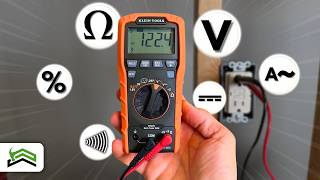
If you’re shopping for the best multimeter, you want a tool that combines accuracy, safety, and ease of use. Whether you’re testing car circuits, repairing household electronics, or building DIY projects, the right multimeter can save time and prevent mistakes. This guide walks you through how to evaluate features, understand different types, and pick a model that fits your workload and budget.
What is a multimeter and why it matters
A multimeter is a versatile instrument that measures electrical properties such as voltage (V), current (A), and resistance (Ω). Many models also offer continuity testing, diode checks, capacitance, frequency, temperature, and even data logging. For pros and hobbyists alike, a reliable multimeter helps you diagnose problems without guesswork. The best choice depends on your typical voltage ranges, the environments you work in, and whether you prioritize speed, portability, or advanced features.
How to choose the best multimeter for your needs
First, determine your primary use case. Do you fix consumer electronics, service automobiles, or work on high-energy power systems? Your answer will guide scale, safety, and feature requirements. Look for models with auto-ranging capability to simplify testing and reduce range-switching errors. If you often work with low-current electronics, a meter with a fine resolution (for example, 0.1 mV or 0.01 Ω) can be advantageous. For automotive or high-energy applications, CAT ratings (such as CAT II, CAT III, or CAT IV) indicate the meter’s suitability for certain voltage environments and safety levels.
Key features to consider
To ensure you select a sturdy, long-lasting instrument, prioritize the following features:
- Auto-ranging and manual ranging modes
- الو Accurate DC and AC voltage and current measurements
- Resistance, continuity, and diode testing
- Capacitance, frequency, temperature, and duty cycle options
- Data hold, min/max recording, and backlit display for dark workspaces
- True RMS for precise AC voltage/current readings
- Low input impedance and solid probe design to minimize circuit loading
- Durable construction, compact size, and comfortable grips
- Safety features like overload protection and proper fusing
Choosing the right type of multimeter
There are several formats to consider. Digital multimeters (DMMs) are the most common, offering clear numeric readouts and a wide feature set. Analog meters, while rarer today, provide quick trend visibility for certain tasks. For specialized work, clamp meters (a subset of DMMs) measure current without breaking the circuit. If your projects involve automotive systems or high-energy equipment, look for models with robust safety ratings, rugged housings, and comfortable probes.
Tips for using and maintaining your meter
Always start with safety in mind. Inspect leads and probes for cracks, use insulated grabs, and avoid measuring high-energy circuits beyond the meter’s rating. Calibrate or check the meter against a known reference periodically, especially before critical work. Store the device in a dry, dust-free location and replace fuses promptly if you draw an overcurrent. A well-maintained multimeter stays accurate longer and reduces the risk of incorrect readings.
Where to buy and how to compare
Comparison shopping helps you balance cost and capability. Look for user reviews that discuss real-world reliability, ease of use, and battery life. Many buyers find it helpful to list their top 5 features and compare models side by side. If you’re curious about the latest models and in-depth comparisons, you can explore curated guides and hands-on reviews from trusted sources. For more hands-on reviews and buying guides, visit the official homepage.
In the end, the best multimeter for you is the one that combines precise measurements, strong safety features, and a form factor that fits your workflow. With the right instrument, electrical testing becomes faster, safer, and more productive—whether you’re a weekend tinkerer or a professional technician.