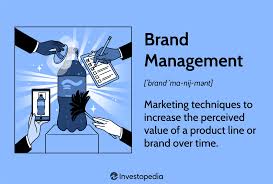
In today’s competitive marketplace, the brand manager role sits at the crossroads of strategy, creativity, and consumer insight. A brand manager guides how a product or portfolio is perceived, ensuring consistency across channels and experiences. Whether you’re recruiting for a marketing team or evaluating your own career path, understanding this role helps you prioritize high-impact work and measurable outcomes.
At its core, the brand manager role blends market research, brand storytelling, and cross-functional leadership. This position is not just about a logo or a tagline; it’s about shaping a lasting impression that resonates with target audiences. A successful brand manager aligns the company’s mission with customer needs, translating insights into product decisions, packaging, pricing, and communications.
Key Responsibilities
Typical duties include developing a brand strategy, designing go-to-market plans, and coordinating campaigns across paid, owned, and earned media. A brand manager oversees brand guidelines to maintain consistency while allowing for local adaptations. They work with product teams to define value propositions, with creative squads to craft messaging, and with analytics teams to measure impact.
Skills and Qualifications
Strong communication and collaboration skills top the list. A brand manager role demands analytical thinking, curiosity about consumer behavior, and comfort with data. Proficiency in market research methods, consumer segmentation, and competitive analysis helps. Digital marketing fluency—SEO, content marketing, social media, and measurement frameworks—lets the brand speak clearly in a crowded space. Some roles require project management capabilities and experience with brand architecture, naming conventions, and packaging design.
Career Path and Growth
People often enter the field through roles such as marketing coordinator, product marketing specialist, or brand assistant and advance to senior brand manager, brand director, or head of brand. The brand manager role can be a stepping stone to general management or marketing leadership. Continuous learning—staying current on consumer trends, technology, and regulatory considerations—helps sustain longevity in the discipline.
Day-to-Day Realities
On a typical day, you’ll review market data, brief creative teams, and sign off on assets that carry the brand’s voice. You’ll run cross-functional meetings, manage budgets, and prioritize projects that unlock growth while protecting the brand’s integrity. The role often requires balancing short-term campaign wins with long-term brand equity, which means making trade-offs that favor sustainable value over quick shortcuts.
Brand Governance and Compliance
Alongside creativity, brand managers implement governance processes to keep messaging consistent across markets and products. This includes establishing approval workflows, archiving assets, and maintaining a living brand book. They collaborate with legal and regulatory teams to ensure claims are compliant, and with regional teams to adapt creative while preserving core identity. Regular audits help catch drift before it impacts customer perception. In fast-moving industries, governance should be lightweight but robust, enabling speed without sacrificing trust.
How to Prepare
Gaining relevant experience can start with internships, coursework in marketing or branding, and hands-on projects. Building a portfolio of campaigns—case studies that show results like increased awareness, engagement, or share of voice—can help you stand out. Certification programs in brand management, consumer research, or digital marketing add credibility, though practical results speak loudest in interviews.
Measuring Success
Success in the brand manager role is about impact. Metrics include brand awareness, consideration, preference, and loyalty, as well as financial indicators such as revenue growth and margin protection. Tools like brand tracking studies, attribution modeling, and customer feedback loops provide signals for optimization. Remember that a strong brand is a living system—regularly tested and refreshed to stay relevant.
For more resources and case studies, visit the brand manager role page. And for a broader look at the company and its philosophy, explore the Scrollex homepage.
Ultimately, the brand manager role is about merging art and science. It rewards curiosity, discipline, and a customer-first mindset, translating market signals into brand experiences that drive growth across channels. If you’re building a team or pursuing a career in marketing, investing in these competencies can unlock a strategic, influential position within your organization.