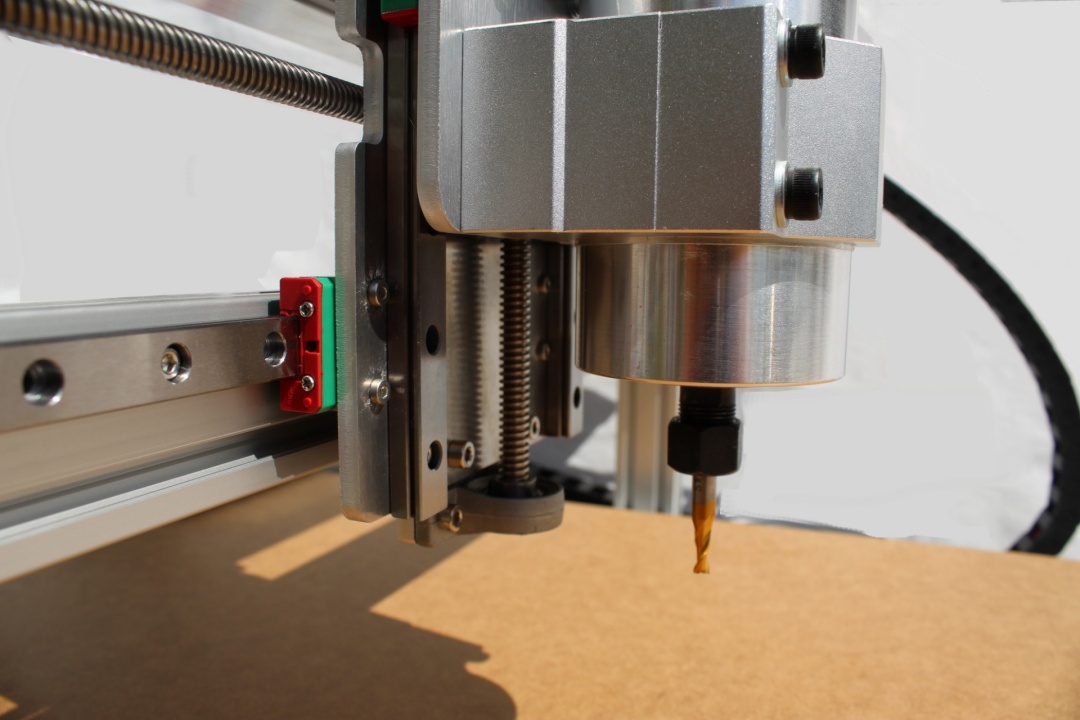
In the world of sheet metal fabrication, precision, speed, and efficiency are paramount. One of the key innovations that has transformed the industry is the TDF flange forming machine. This specialized equipment is designed to streamline the process of forming flanges in sheet metal, which is an essential step in ductwork fabrication, HVAC systems, and other metalworking applications. The tdf flange forming machine has emerged as a vital tool for manufacturers seeking to enhance productivity while maintaining high-quality standards.
Understanding the Role of TDF Flange Forming Machines
A tdf flange forming machine is primarily used to create TDF (Transverse Duct Flange) profiles on sheet metal. These flanges allow metal sheets to interlock seamlessly, providing a secure and airtight connection in duct systems. Traditionally, forming flanges required manual labor or less precise tools, leading to inconsistencies, wasted material, and slower production times. The advent of the tdf flange forming machine addressed these challenges by offering a mechanized, precise, and repeatable method for flange creation.
The core functionality of a tdf flange forming machine lies in its ability to bend the edges of sheet metal to a specific profile consistently. This ensures that each flange has uniform dimensions, which is critical for ensuring proper fitment during assembly. The precision offered by these machines reduces the likelihood of errors during installation, minimizing the need for on-site adjustments and repairs.
Key Advantages of Using a TDF Flange Forming Machine
The implementation of a tdf flange forming machine brings several advantages to sheet metal fabrication operations. These benefits are not only limited to improving quality but also significantly impact productivity, cost efficiency, and worker safety.
Enhanced Production Efficiency
One of the most notable benefits of a tdf flange forming machine is the speed at which it can operate. Unlike manual flange forming, which can be time-consuming and labor-intensive, the machine automates the process, allowing operators to produce flanges rapidly and consistently. This efficiency enables manufacturers to meet tight production schedules and reduce lead times, which is crucial in high-demand industries such as HVAC and construction.
Consistent Quality and Precision
Precision is a cornerstone of effective sheet metal fabrication, and the tdf flange forming machine excels in this aspect. By standardizing the flange forming process, the machine ensures that every piece meets exact specifications. This consistency reduces material waste caused by errors or misalignments and minimizes the chances of flanges failing during assembly or operation. As a result, manufacturers can deliver products that adhere to strict quality standards, enhancing customer satisfaction.
Cost Savings and Resource Optimization
Using a tdf flange forming machine can lead to significant cost savings. By automating the flange forming process, manufacturers can reduce labor costs and allocate personnel to more complex tasks. Moreover, the precise nature of the machine reduces scrap rates, ensuring that raw materials are used more efficiently. Over time, these savings can have a substantial impact on the overall profitability of a sheet metal fabrication business.
Improved Worker Safety
Manual flange forming can expose workers to risks such as cuts, strains, and repetitive motion injuries. By mechanizing the process with a tdf flange forming machine, manufacturers can reduce the physical strain on employees and create a safer working environment. Modern machines often come with safety features such as emergency stop buttons, protective shields, and automated feeding mechanisms, further mitigating potential hazards.
Applications of TDF Flange Forming Machines
The versatility of tdf flange forming machines makes them suitable for a wide range of applications across different industries. One of the most common uses is in the fabrication of HVAC duct systems. The TDF flange design allows duct sections to be connected quickly and securely, providing airtight seals that enhance the efficiency of heating, ventilation, and air conditioning systems.
Beyond HVAC, tdf flange forming machines are also employed in industrial ducting, cleanroom environments, and architectural metalwork. Any application that requires precise flange connections benefits from the machine’s ability to deliver consistent, high-quality results. Additionally, the machines can handle various sheet metal thicknesses, further expanding their utility in diverse manufacturing settings.
Features to Look for in a TDF Flange Forming Machine
When selecting a tdf flange forming machine, several key features should be considered to ensure optimal performance and longevity.
Versatility in Material Handling
A high-quality tdf flange forming machine should be capable of processing different types of sheet metal, including galvanized steel, aluminum, and stainless steel. This versatility allows manufacturers to adapt to different project requirements without investing in multiple machines.
Adjustable Flange Dimensions
The ability to adjust flange width and profile is essential for meeting the specifications of various ductwork designs. Modern tdf flange forming machines often feature adjustable settings that allow operators to switch between different flange sizes quickly, improving efficiency and reducing setup time.
Automation and Ease of Use
Automation features such as motorized feeding, programmable settings, and digital controls can significantly enhance productivity. These features reduce manual intervention, minimize errors, and simplify the training process for operators. A user-friendly interface ensures that even less experienced workers can operate the machine effectively, contributing to consistent output.
Durability and Maintenance
Since tdf flange forming machines are used in demanding manufacturing environments, durability is a critical factor. Machines constructed from high-quality materials with robust components can withstand continuous operation and maintain precision over time. Additionally, ease of maintenance, including accessible parts and straightforward servicing procedures, ensures minimal downtime and prolongs the machine’s lifespan.
The Future of Sheet Metal Fabrication with TDF Flange Forming Machines
As the sheet metal industry continues to evolve, tdf flange forming machines are poised to play an even more significant role in enhancing efficiency and quality. Advances in automation, digital controls, and material handling technology are making these machines more versatile and user-friendly.
Integrating tdf flange forming machines with modern production workflows, including CNC systems and smart manufacturing solutions, allows manufacturers to optimize operations further. Real-time monitoring, automated adjustments, and predictive maintenance can increase uptime, reduce waste, and ensure consistent quality, setting new standards for sheet metal fabrication.
Conclusion
TDF flange forming machines have become indispensable tools in the sheet metal fabrication industry, offering a blend of precision, efficiency, and cost-effectiveness. By automating the flange forming process, these machines reduce labor requirements, enhance product quality, and improve worker safety. Their versatility in handling different materials and flange dimensions makes them suitable for a wide range of applications, from HVAC ductwork to industrial ducting and architectural projects.
For manufacturers seeking to optimize their sheet metal fabrication operations, investing in a tdf flange forming machine is a strategic decision that delivers long-term benefits. As technology continues to advance, these machines will remain at the forefront of innovation, driving efficiency and excellence in the industry.