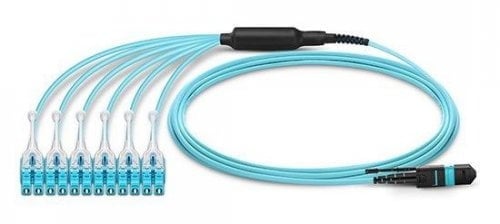
When it comes to modern networking, the demand for high-speed, reliable data transmission is higher than ever. One of the key components enabling this efficiency is the duplex LC cable. These cables are widely used in data centers, telecom networks, and enterprise applications because of their compact design and superior performance. However, to fully harness the potential of a duplex LC cable, proper installation is crucial. Poor installation can lead to signal loss, network downtime, and unnecessary maintenance costs. This article provides detailed tips for installing duplex LC cables to ensure optimal performance.
Understanding Duplex LC Cable
A duplex LC cable consists of two optical fibers within a single jacket, each capable of transmitting data in opposite directions. This design allows for full-duplex communication, which is essential for high-speed networking. The LC connector, known for its small form factor, ensures efficient port density in switches, patch panels, and network devices. Fiber-mart offers a wide range of duplex LC cables designed for both single-mode and multimode applications, catering to diverse networking requirements.
The importance of proper installation cannot be overstated. Even a small bend or improper connector handling can degrade signal integrity. Following best practices ensures that your network runs efficiently and minimizes future troubleshooting needs.
Pre-Installation Considerations
Before beginning any duplex LC cable installation, it’s essential to plan thoroughly. Start by determining the type of fiber required—single-mode or multimode—based on your network speed and distance requirements. Single-mode fibers are ideal for long-distance connections, while multimode fibers are better suited for shorter distances within a building or campus.
Next, assess the pathway for your cables. Avoid sharp bends, tight spaces, and areas with high electromagnetic interference. Keeping these considerations in mind helps maintain the low attenuation and minimal signal loss that duplex LC cables are known for. Fiber-mart provides pre-terminated cables and flexible options that simplify routing through complex installations.
Handling and Preparation
Handling a duplex LC cable requires care to prevent damage. Always hold the cable by the connector or the jacket, never by the bare fiber. Avoid excessive pulling, twisting, or crushing, as these actions can introduce microbends or macrobends that impact performance.
Before connecting, inspect the LC connectors. Dirt or debris can cause high insertion loss or even damage equipment. Use a fiber optic cleaning kit from Fiber-mart to ensure that connectors are spotless. Cleaning both ends of the cable before insertion is a simple step that can significantly improve signal quality.
Proper Routing Techniques
Routing is a critical factor in maintaining duplex LC cable performance. Avoid tight loops or sharp bends, as these can induce bending losses. The general rule is to maintain a bend radius of at least 10 times the cable diameter for single-mode fibers and 7 times for multimode fibers.
Use cable management systems, such as trays, conduits, or Velcro straps, to organize and support the cables. Avoid using zip ties too tightly around the cable, as excessive compression can damage the fiber. Fiber-mart’s cable management solutions are designed to support high-density LC deployments, ensuring that your duplex LC cables are properly secured without compromising performance.
Connector Installation
When installing duplex LC connectors, it’s important to follow a systematic approach. Always align the key on the LC connector with the port to prevent misalignment. Push the connector straight into the port until it clicks securely. Avoid forcing the connector, as this can damage both the connector and the device port.
For patch panel installations, label both ends of the duplex LC cable accurately. Proper labeling makes maintenance easier and reduces the chance of misconnection. Fiber-mart offers labeling solutions and pre-labeled cables that simplify identification in large networks.
Testing and Verification
After installation, testing the duplex LC cable is essential to verify performance. Use an optical power meter or an OTDR (Optical Time-Domain Reflectometer) to measure insertion loss and ensure that the signal meets expected standards. Testing each connection point ensures that the network is performing at optimal levels and helps identify any issues caused during installation.
It’s also important to document the test results for future reference. This documentation provides a baseline for troubleshooting and ensures that network integrity is maintained over time. Fiber-mart’s cables are tested for performance compliance, but on-site verification ensures the installation meets real-world conditions.
Maintenance and Best Practices
Regular maintenance is key to long-term performance of duplex LC cables. Periodically inspect connectors and clean them as needed to prevent signal degradation. Avoid unnecessary re-patching or repeated insertion/removal of connectors, as repeated stress can affect the fiber and connector quality.
When planning network expansions, consider the capacity of existing cable pathways and patch panels. Overcrowding can increase the risk of bend losses and connector stress. Fiber-mart’s high-quality duplex LC cables are designed to withstand multiple installations and reconfigurations, making them ideal for dynamic network environments.
Common Mistakes to Avoid
Several mistakes can compromise the performance of duplex LC cables. These include bending cables too tightly, neglecting connector cleaning, improper labeling, and using incompatible equipment. Each of these errors can lead to higher insertion loss, signal reflection, or even physical damage to the fiber. Following manufacturer guidelines from Fiber-mart and adhering to best practices ensures a reliable, high-performing network.
Another common error is neglecting environmental considerations. Exposure to moisture, extreme temperatures, or mechanical stress can affect cable performance. Using appropriate protective conduits or routing through controlled environments helps extend the life of your duplex LC cables.
Conclusion
Duplex LC cables are essential components for modern high-speed networking, offering compact design, full-duplex communication, and reliable performance. However, their benefits can only be fully realized through proper installation and maintenance. By carefully handling cables, using appropriate routing and management techniques, ensuring clean and aligned connectors, and testing performance, you can maximize the efficiency and longevity of your network infrastructure.
Fiber-mart provides high-quality duplex LC cables and installation accessories designed to simplify deployment while ensuring optimal performance. Following these tips helps create a reliable network that meets the growing demands of modern data transmission. Proper planning, careful installation, and ongoing maintenance are the keys to getting the best results from your duplex LC cable deployments.
By investing in quality components and adhering to best practices, you can achieve a stable, high-speed network with minimal downtime, ensuring that your duplex LC cables deliver the performance your organization requires