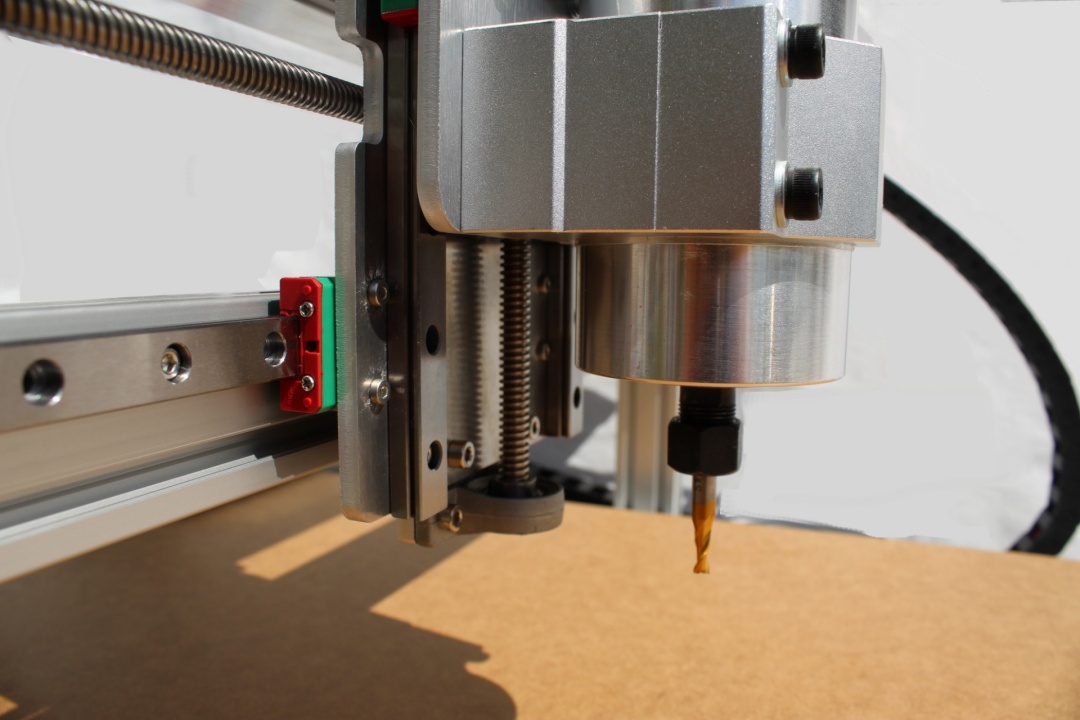
Selecting the ideal CNC Router for your business is a decision that affects productivity, precision, growth potential, and long-term profitability. Whether you operate a small workshop, a large-scale manufacturing facility, or an expanding online customization business, choosing the right machine ensures consistent performance and high-quality output. With a wide range of models available, it’s essential to understand the factors that matter most so you can confidently invest in the right equipment for your specific needs.
Understanding the Purpose of a CNC Router
Before making a purchase, the first step is evaluating what you expect from a CNC Router. Businesses use these machines for woodworking, metal cutting, plastic fabrication, sign-making, 3D carving, furniture design, and even industrial prototyping. The materials you work with and the type of products you create will determine the size, power, speed, and features you should prioritize. A clear understanding of your usage helps avoid overpaying for unnecessary features or choosing a machine that limits your capabilities down the road.
Assessing Material Compatibility
Every CNC Router is designed to handle specific types of materials. Some machines excel in cutting wood and MDF, while others are built for more demanding tasks involving aluminum, steel, or composite materials. For woodworking businesses, a mid-range router with enough spindle power and precision may be sufficient. However, for metal fabrication or high-strength plastics, you’ll need a robust industrial model with a high-power spindle, rigid frame, and advanced cooling system. Material compatibility is critical because using an underpowered machine on tough materials can result in poor quality or equipment damage.
Choosing the Right Spindle Power
Spindle power is the heart of a CNC Router and directly influences cutting speed, efficiency, and material versatility. Low-power spindles around 1.5kW are common for basic woodworking or hobby-level applications. Businesses involved in intensive production typically require 3kW to 7kW spindles. A more powerful spindle allows deeper cuts, faster processing, and smoother finishes. If your business handles heavy workloads, investing in a powerful spindle ensures long-term reliability and reduces production bottlenecks.
Evaluating Build Quality and Machine Rigidity
A CNC Router must operate with precision, and its structural integrity plays a key role in achieving accurate results. Machines built with aluminum or steel frames offer greater stability, especially during fast or deep cuts. A durable frame minimizes vibration and enhances cutting accuracy. When comparing models, consider factors like gantry strength, guide rails, and overall machine construction. High-quality components not only improve performance but also extend the lifespan of your CNC Router, reducing maintenance and downtime costs.
Understanding Router Size and Working Area
Your workspace and production requirements determine the ideal size of a CNC Router. Smaller businesses may only need a compact machine for small projects or limited batches. In contrast, industries producing furniture, doors, signs, or large panels require a router with an extended working area such as 4×4, 4×8, or even 5×10 feet. Choosing the right size ensures you can complete projects without repositioning materials—a process that affects accuracy and increases labor time. It’s also important to consider future growth. A slightly larger machine may be a wise investment if you plan to expand your operations.
Software Compatibility and Ease of Use
The software that powers your CNC Router is just as important as the machine itself. Reliable CNC software helps design, simulate, and execute cutting paths efficiently. Many manufacturers offer user-friendly software that integrates seamlessly with their routers. If your team has limited experience with CNC operations, choosing a machine with intuitive software and a simple interface is essential. Look for routers that support common file formats, CAD/CAM programs, and offer training or customer support to shorten the learning curve.
Considering Automation and Additional Features
Modern CNC routers come with a range of advanced features that enhance productivity, accuracy, and ease of use. Some beneficial features include automatic tool changers, vacuum tables, dust collection systems, and rotary attachments for 3D carving. Automated tool changers are especially valuable for businesses that work on complex projects requiring multiple bits. They reduce manual intervention and significantly speed up production. Vacuum tables secure materials firmly, improving cutting precision. These additional features can elevate your workflow and help you achieve consistent, high-quality results.
Safety Features and Operator Requirements
A CNC Router should always prioritize safety. Machines equipped with emergency stop buttons, protective enclosures, and automatic shutoff functions offer better protection for operators. If your business environment involves multiple employees or shift rotations, safety becomes even more important. Choose a machine that includes clear safety instructions, accessible controls, and reliable safety mechanisms. Proper training for all operators ensures smooth operation and reduces the risk of accidents.
Budget Planning and Long-Term Investment
While price is an important factor, choosing a CNC Router should be considered a long-term investment rather than a short-term expense. Lower-cost machines may seem attractive, but they often lack power, durability, or advanced features needed for professional work. Investing in a high-quality router ensures consistent performance, higher production output, and reduced maintenance costs. When planning your budget, include expenses such as training, software, replacement bits, and routine maintenance. A well-planned investment leads to long-term business efficiency and increased profitability.
Comparing Brands and Customer Support
Different brands offer varying levels of quality, warranty, and after-sales support. Reliable customer support is essential, especially for businesses new to CNC technology. Before choosing a CNC Router, research customer reviews, warranty terms, service availability, and spare parts accessibility. A reputable manufacturer provides technical assistance, training, and timely maintenance support. Good customer service can significantly reduce downtime and ensure your machine continues to perform at its best.
Final Thoughts
Choosing the right CNC Router for your business requires careful evaluation of your production goals, materials, machine features, and long-term needs. By understanding key elements such as spindle power, build quality, working area, automation options, and software compatibility, you can make a confident decision that supports your business growth. The right machine boosts productivity, improves precision, and enhances overall workflow efficiency, making it a valuable asset for any modern manufacturing or creative enterprise.