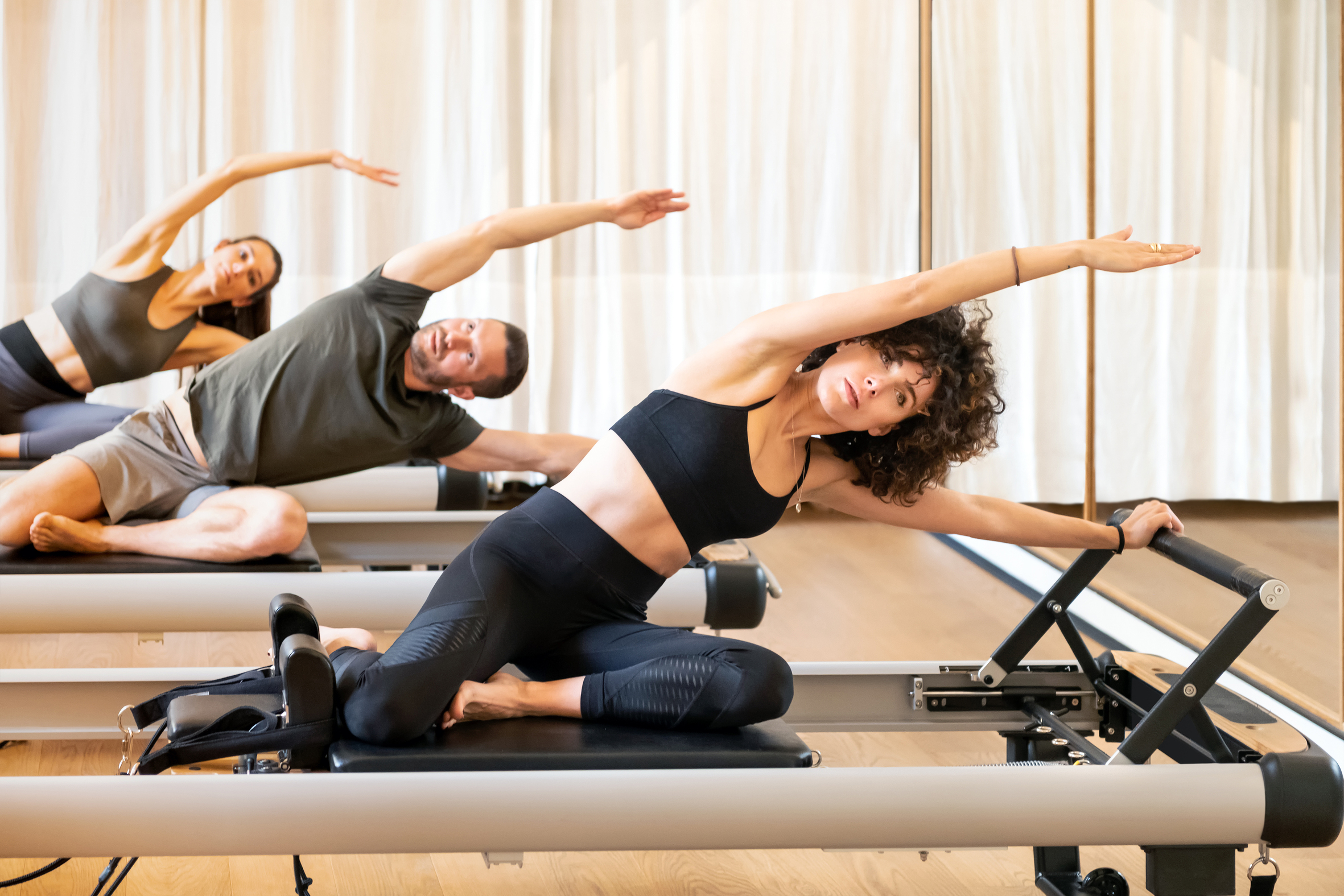
Pilates in Houston is a popular way to build core strength, flexibility, and posture. Yet even in well-run studios, injuries can occur—from a strained back to a sprained ankle or a wrist tweak during a reformer exercise. Knowing what to do when something goes wrong can protect you from further damage and speed your recovery. This guide covers practical steps, studio protocol, and how to navigate care in a bustling city like Houston.
Immediate steps if an injury occurs during class
First, stop and communicate with your instructor. Tell them exactly where you feel pain and how it started. In most studios, instructors are trained to assess fall risk and modify or stop the exercise for safety. If the pain is sharp, radiates, or you cannot bear weight, take a seat or lie down on a mat and avoid twisting or putting pressure on the affected area.
- Keep movements small and controlled; do not push through significant pain.
- Ask for a modification or switch to a low-impact exercise that avoids the injured area.
- Apply ice to the area as soon as possible if ice is available, and avoid heat in the first 24 to 48 hours unless advised by a clinician.
- Note the time, location, exercise type, and who was supervising; this can help with insurance or medical discussions.
Most injuries in Pilates stem from overextension, improper alignment, or fatigue. Your instructor should encourage you to rest and, if needed, complete a cool-down with gentle breathing and stretching that does not aggravate symptoms.
After the class: next steps and care
When you leave the studio, assess how the pain evolves. If symptoms persist beyond 48 hours, seek medical evaluation. A primary care physician or sports medicine clinician can determine whether imaging or a targeted rehabilitation plan is needed. Bring notes about the incident, including which exercise caused discomfort and any pre-existing conditions.
Documentation and studio protocols
Maintain a written record of the incident and any communications with the studio. Some Houston studios require a formal incident report; others offer a courtesy check-in by staff. If you plan to pursue care through health insurance or a personal injury route, having a dated, detailed report will help.
Preventive tips to reduce injury risk
To lower the risk of injury in the future, prioritize proper form over depth of movement. Focus on breathing, engage the core, and use modifications when needed. Attend classes that match your level, ask for demonstrations before attempting new sequences, and ensure the instructor is certified and responsive to safety concerns. Don’t skip warm-ups, hydrate, and listen to your body—your best guide in a Houston heat wave or a high-energy studio environment.
Find safer options in Houston
Choose studios with clearly posted safety guidelines, first-aid readiness, and staff trained in injury prevention. If you ever feel unsure about a movement, speak up immediately. A reputable studio will value your safety and provide alternatives, including sessions focused on rehabilitation or low-impact options.
For more information and resources, visit Veriibe.