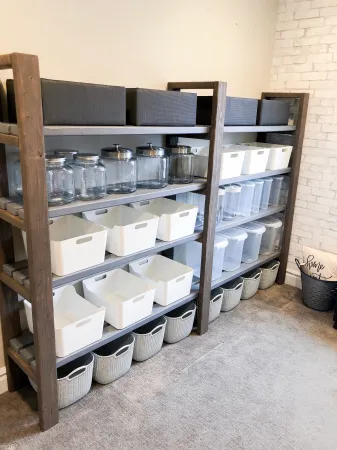
An organized pantry can transform your daily cooking routine, save time, and reduce waste. If you’re up for a small weekend project, building your own shelves is a cost‑effective way to tailor storage to your space. DIY pantry shelves allow you to control depth, height, and finish, whether you’re filling a compact apartment pantry or a wide kitchen closet. With a simple plan, a few tools, and careful measuring, you’ll create sturdy storage that makes every can and jar easy to see and reach.
For a detailed, step‑by‑step reference, visit the DIY pantry shelves page. This resource lays out practical layouts, material options, and installation tips that can help you avoid common mistakes and stay within budget.
Planning first: measure, assess, and design
Before you cut a single board, take careful measurements of the space. Note the width, height, and depth of the area, and decide how many shelves you want with appropriate clearance for tall items like bottles or cereal boxes. If you have uneven walls, plan for a staggered or adjustable layout. Sketch a simple plan that includes shelf depths (commonly 10–14 inches for canned goods), bracket spacing, and whether you’ll use a ledger rail or supported brackets. A clear plan saves wood, time, and frustration when you build.
Material options and layout ideas
Common materials include plywood, solid pine, or medium‑density fiberboard (MDF) for affordable shelves. If you’re aiming for a lightweight solution, consider prefabricated shelf boards you can cut to size. For heavier items, opt for thicker shelves (3/4 inch or more) and sturdy brackets rated to support your expected load. You can create a simple open shelving unit for everyday staples, or install a combination of open shelves and a few enclosed doors to hide less attractive items. To maximize flexibility, think about adjustable shelves or a pegboard divider to rearrange as your pantry inventory changes.
Step-by-step build and install
- Measure the space and determine shelf count and height.
- Choose materials and cut shelves to the planned widths and depths.
- Install a ledger rail or attach brackets to studs for strong support.
- Secure shelves level and square, using a carpenter’s level and clamps as needed.
- Sand edges smooth and finish with paint, stain, or sealant for durability and easy cleanup.
- Organize items by category (cans, dry goods, snacks) and label shelves if helpful.
- Install doors or a toe‑kick if you want a cleaner look and improved dust control.
- Step back and adjust spacing for taller items or underused space.
Finishing touches and organization tips
A clean finish protects shelves from spills and moisture. Paint or stain tips: use semi‑gloss enamel for easy wipe‑downs in a kitchen environment. If you prefer a natural wood look, a light oil or polyurethane coat provides a warm finish while preserving shelf visibility. Organizational accessories—clear acrylic bins, stackable can organizers, and labeled jars—help you maximize space and reduce search time during meal prep. Consider adding a small LED strip beneath upper shelves to illuminate contents without turning on bright overhead lighting during routine pantry checks.
As you plan your project, keep accessibility in mind. Place frequently used items at eye level, and store seasonal or bulk items higher up. If you want to explore more ideas or compare layouts, visit the RoomDome homepage for additional inspiration: RoomDome.
With a little time and the right materials, your home can enjoy robust, organized storage that makes cooking more enjoyable. The DIY pantry shelves concept is scalable—start small in a closet and expand as your supply grows. Whether you’re revamping a single wall or outfitting an entire kitchen, a thoughtful shelf system can transform chaos into clarity.