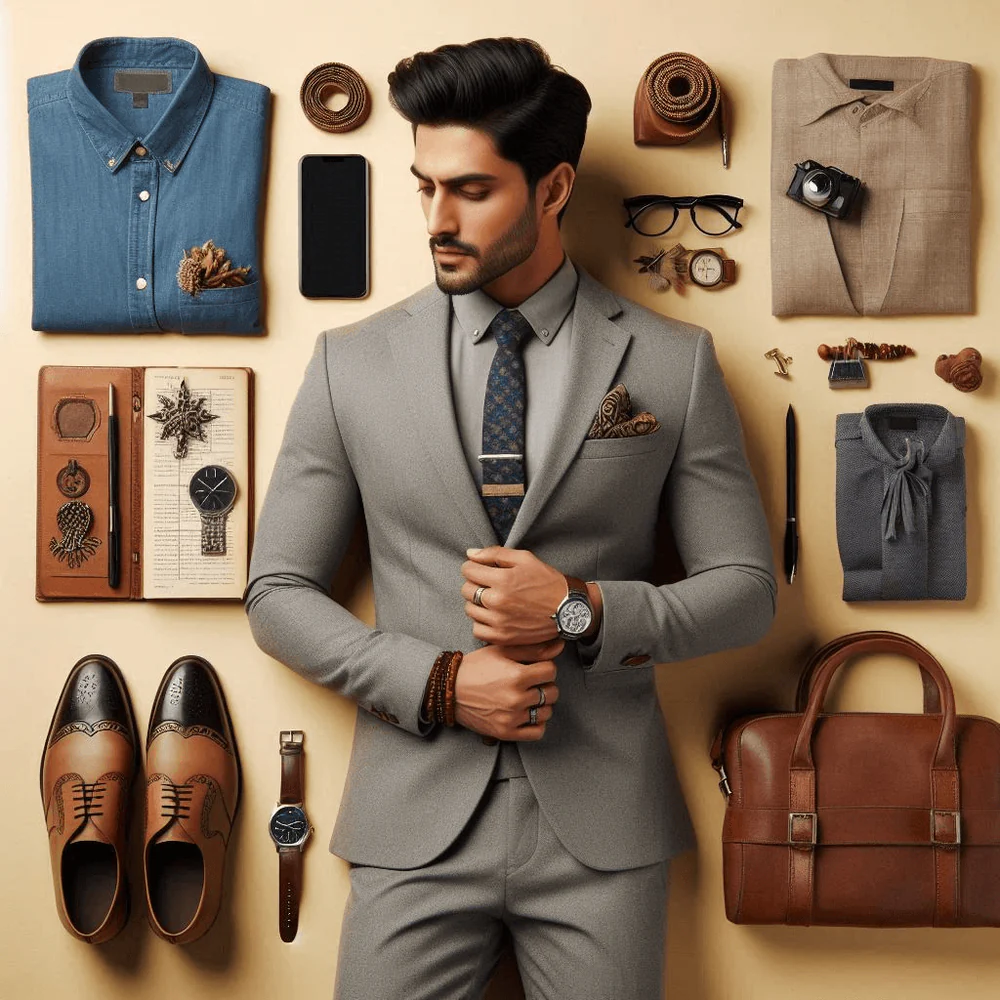
Choosing the right dress code can feel like navigating a map with shifting landmarks. Whether you’re preparing for a job interview, a client meeting, or a casual Friday at the office, understanding the nuance between smart casual and business casual helps you project confidence without second-guessing your outfit.
Understanding the basics
Smart casual is about elevating everyday pieces without going full formal. Think clean lines, quality fabrics, and a balanced mix of relaxed and polished items. Business casual, on the other hand, keeps a steadier, workplace-ready tone—it’s a notch closer to traditional professional wear while still leaving room for personal style. Both codes rely on fit and grooming to finish the look.
When you see the exact phrase smart casual vs business casual in style guides, it typically points to how elements like blazers, chinos, skirts, and knitwear are combined. The goal is to blend comfort with credibility, ensuring you look competent and approachable in professional settings.
Key differences at a glance
- Structure: Business casual tends to favor tailored pieces (blazers, pressed trousers, pencil skirts). Smart casual prefers softer silhouettes with attention to fit.
- Fabric and texture: Opt for higher-quality fabrics; avoid anything too sporty or flashy for business casual, and allow subtle patterns or textures in smart casual.
- Color palette: Neutrals and muted tones work well for both; bold accents are more common in smart casual when paired thoughtfully.
- Footwear: Loafers, oxfords, or clean sneakers can fit smart casual if styled right; business casual leans toward polished shoes or ankle boots.
- Accessories: Minimal, deliberate accessories support a professional image in both codes, but smart casual can tolerate a slightly creative twist.
When to wear each
Dress codes vary by industry and company culture. A technology startup might welcome smart casual on most days, while a law firm or financial office will often expect a stricter business casual baseline. Use the context of the day—meeting with clients, presenting to executives, or networking events—to guide your choice. If you’re ever unsure, lean toward the more conservative option and dial it up or down with accessories as needed. Consider the priorities of the day—an early client call vs a team brainstorm—to help decide which route to take.
How to transition between the looks
One reliable approach is to build a capsule wardrobe of interchangeable pieces. A well-cut blazer can elevate a polo and chinos into business casual, while swapping the polo for a fine-knit sweater and pairing with dark denim boosts the smart casual vibe for after-work events. Pay attention to fit: even the most casual items look sharper when tailored to your silhouette. Always aim for a cohesive color story across your outfit to avoid clashes when switching between codes.
Shopping and style tips
Invest in versatile staples: a navy blazer, tailored trousers, a crisp shirt, and clean footwear provide a solid foundation. Use accessories to express personality, but keep them restrained for professional settings. If you’re shopping online, look for reviews that mention fit and fabric quality, and check return policies so you can experiment confidently. Care for fabrics matters too—follow washing instructions to maintain shape and color over time. Building a capsule wardrobe gradually helps you stay ready for any meeting or event without thinking twice.
For more inspiration and a deeper dive into outfit formulas, smart casual vs business casual remains a practical reference point wherever you dress for work.
To explore more fashion guidance and stay updated with the latest style strategies, visit the Businve homepage.
With the right pieces and a clear sense of the occasion, you can switch seamlessly between smart casual and business casual, ensuring you look appropriate, confident, and polished, no matter what the day holds.