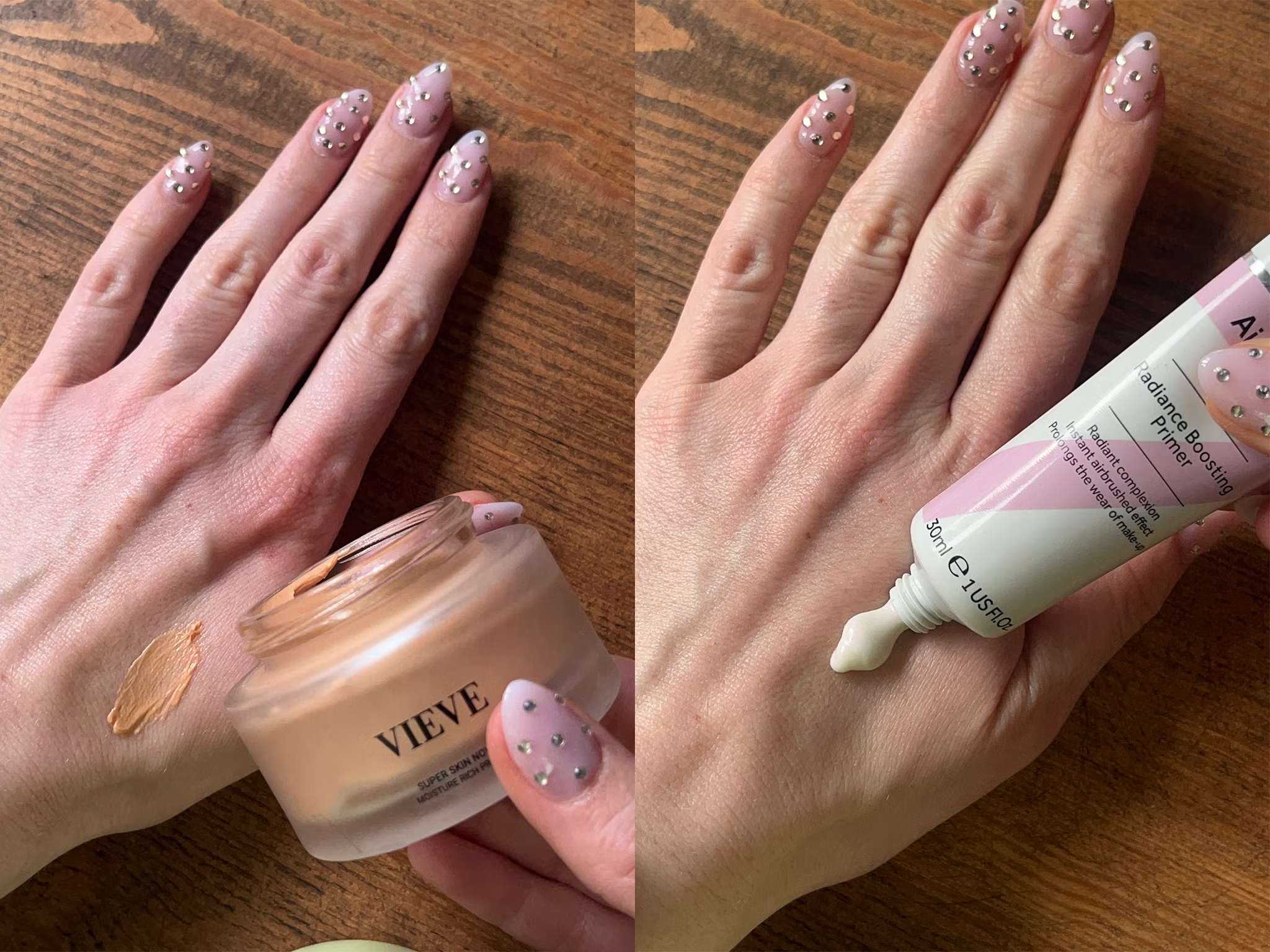
As skincare becomes part of makeup routines, mature skin benefits from products that respect texture while delivering a smooth base. The best makeup primer for mature skin isn’t a single miracle product; it’s a category of primers designed to address hydration, fine lines, and long wear. When you start with a well-prepped canvas, foundations glide on, settle less into creases, and your blush and lip colors stay more true to their shade all day.
Why mature skin benefits from primer
Mature skin often has less elasticity and more visible texture. A good primer acts as a bridge between skincare and makeup, filling tiny imperfections and creating a micro-surface that makeup can cling to. The right primer can help your complexion look hydrated, plump, and evenly toned. It also reduces the need for heavy foundation, which can settle into fine lines. By choosing a product that prioritizes moisture and a soft focus, you can achieve a youthful glow without looking oily or heavy.
Key features to look for in a primer
When browsing for a primer tailored to mature skin, prioritize these features:
- Hydration: ingredients like hyaluronic acid or glycerin help plump and soften dry areas.
- Blur and transparency: light-reflecting particles or silicone-free blur can smooth texture without emphasizing lines.
- Lightweight texture: a thin, breathable layer prevents a cakey finish.
- Compatibility with skincare: non-irritating formulas that play well with serums and moisturizers.
- Sun protection: a broad-spectrum SPF adds a layer of defense without relying on makeup alone.
If you want a curated guide on the exact formulas and how they perform, you can explore options specifically tested for mature skin on the linked resource.
Application tips for lasting, natural makeup
Prep your skin as if you were caring for it. Cleanse, tone, and apply a lightweight moisturizer or serum exactly as you would on non-makeup days. Allow a moment for absorption before applying primer. A pea-sized amount is usually enough for the entire face. Focusing on areas that tend to crease—around the nasolabial lines, under-eye perimeter, and the forehead—can help prevent makeup from settling into those lines.
Choose a finish that suits your routine. For longevity with a natural look, a hydrating or satin-finish primer generally performs well on mature skin. If you prefer a more luminous glow, a radiance-boosting primer can brighten skin without emphasizing texture. Always test primers with your foundation to ensure they don’t cause pilling or separation later in the day.
Texture options and how they interact with foundation
Silicone-based primers provide slip and help makeup glide, which can be ideal for mature skin that looks dull or dry. But if you’re sensitive to silicones, water-based or silicone-free primers infused with humectants can offer a comfortable alternative. Tinted primers can offer color correction while even out tone, reducing the amount of foundation you need. The best choice is the one that feels comfortable on your skin and looks natural in daylight and artificial lighting alike.
Putting it all together
Your routine should center on skin health first. Use a primer that aligns with your skin’s needs, then build coverage with a lightweight foundation or a tinted moisturizer. Blot away excess shine with a tissue or a blotting sheet, and finish with a setting powder only where needed to avoid flattening the natural glow. Remember, the goal is a refined base that honors maturity while ensuring your makeup remains fresh from morning to evening.
For more beauty insights and product guidance, visit the Nuturahey homepage.