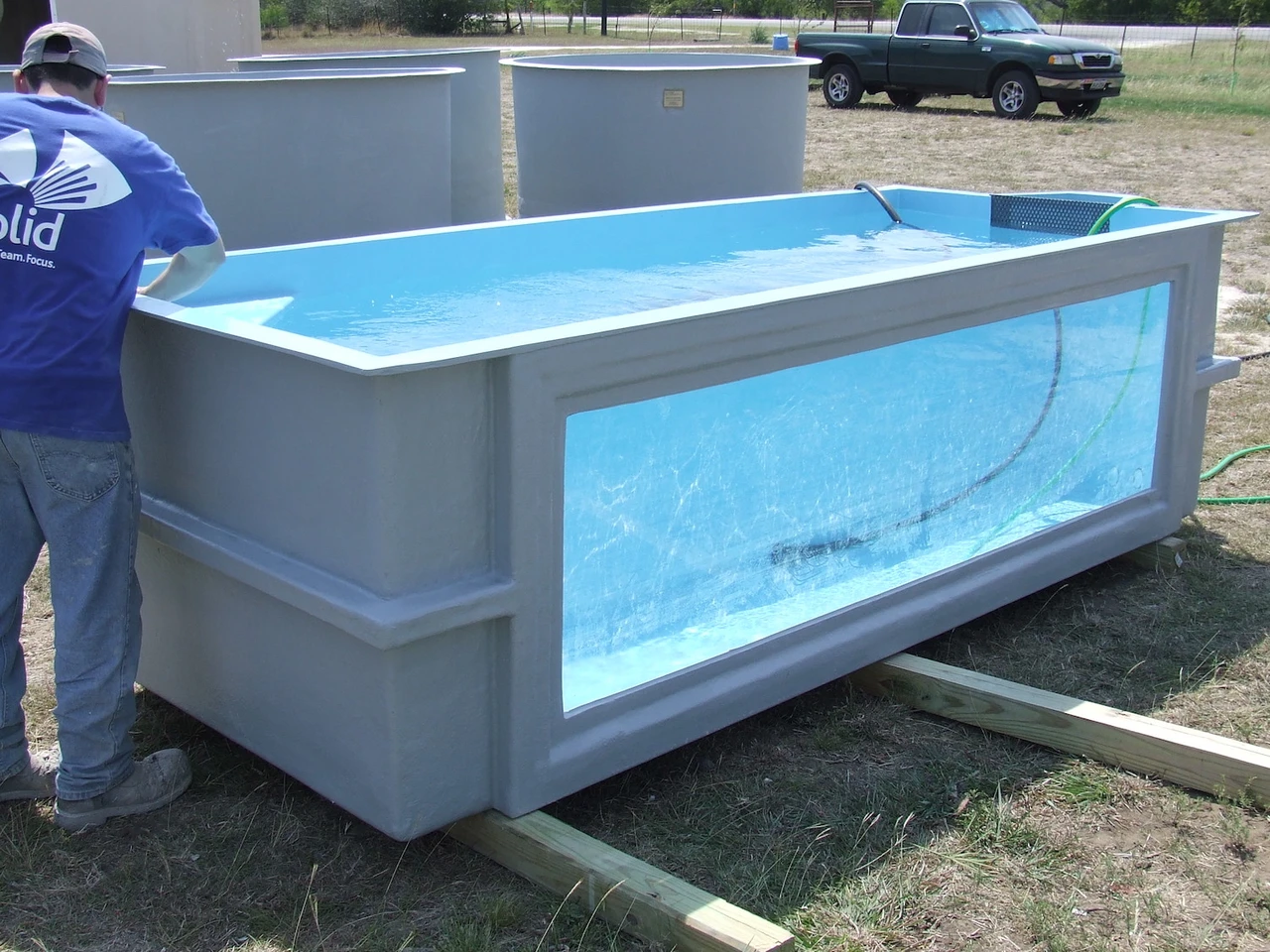
Introduction to Commercial Water Storage
Water management is a critical pillar of any commercial or industrial enterprise. Whether running a sprawling manufacturing plant, managing a high-rise commercial complex, or overseeing a municipal water distribution network, having a reliable, high-capacity, and safe water storage system is non-negotiable. Water is required for cooling towers, fire suppression systems, sanitation, daily operational processes, and potable consumption. As water security becomes an increasing priority worldwide, businesses must evaluate the infrastructure they use to store this vital resource.
For decades, traditional materials like concrete, carbon steel, and galvanized iron dominated the commercial landscape. While these materials have historical precedent, they come with significant drawbacks, particularly regarding corrosion, heavy weight, and high maintenance costs over time. In response to these challenges, fiberglass—scientifically known as Glass-Fiber Reinforced Plastic (FRP)—has emerged as the premier choice for modern commercial water storage. Offering an unmatched combination of structural strength, chemical resistance, and longevity, fiberglass tanks provide a future-proof solution for businesses seeking reliable water containment.
The Evolution of Storage Materials
The landscape of commercial water storage has evolved dramatically. Early industrial applications relied heavily on wood and stone, which quickly gave way to steel and concrete due to their higher load-bearing capacities. However, steel is notoriously susceptible to rust and corrosion when exposed to moisture and certain chemical treatments, requiring constant cathodic protection and recoating. Concrete, while sturdy, is prone to cracking, porous enough to allow water seepage over time, and exceptionally difficult to modify or relocate once poured.
The introduction of composite materials revolutionized industrial engineering. Fiberglass combines the tensile strength of glass fibers with the protective, matrix-binding properties of thermosetting resins. This synergy creates a material that outperforms traditional metals and masonry in corrosive environments. Today, advanced engineering techniques allow manufacturers to produce tanks capable of withstanding extreme weather, seismic activity, and aggressive chemical exposure, making fiberglass the gold standard in modern water management infrastructure.
Why Fiberglass Stands Out for Commercial Applications
When commercial entities invest in water storage, they look for specific performance indicators: durability, safety, ease of installation, and cost-effectiveness. Fiberglass excels across all these metrics, outperforming traditional alternatives in both operational efficiency and total cost of ownership.
Exceptional Durability and Corrosion Resistance
The single greatest enemy of commercial water storage tanks is corrosion. Steel tanks rust when exposed to oxygen and water, while concrete can degrade due to chemical leaching or freeze-thaw cycles. Fiberglass, by its very chemical composition, is entirely immune to rust and galvanic corrosion. It does not react with water, chlorine, or most industrial chemicals, ensuring that the structural integrity of the tank remains uncompromised over decades of service. This makes fiberglass tanks ideal for both potable water storage and corrosive wastewater containment.
Lightweight Structure and Easy Installation
Compared to massive concrete structures or heavy steel welding projects, fiberglass tanks are remarkably lightweight. This characteristic offers massive logistical advantages during transportation and installation. Commercial sites often have tight spatial constraints or challenging terrain. Because fiberglass tanks weigh significantly less than their metal or concrete counterparts, they require less heavy lifting equipment and reduced foundation preparation. This translates directly into lower installation labor costs and faster deployment times, minimizing downtime for commercial operations.
Low Maintenance and Long-Term Value
Maintenance downtime can cost a commercial facility thousands of dollars per hour. Traditional steel tanks require regular inspection, rust removal, and repainting every few years to prevent structural failure. Fiberglass tanks, on the other hand, require virtually no exterior maintenance. They do not need painting or protective linings to prevent rust. Their smooth interior surfaces also resist the buildup of algae, bacteria, and sediment, making cleaning simpler and less frequent. This low-maintenance profile ensures that businesses enjoy lower operational expenditures over the multi-decade lifespan of the asset.
Key Applications of Fiberglass Tanks in Industries
Commercial water storage is not a one-size-fits-all proposition. Different sectors have unique demands regarding capacity, purity, and environmental exposure. Fiberglass tanks offer the versatility required to meet these diverse industry standards.
Industrial Manufacturing and Wastewater Management
In industrial manufacturing, water is frequently used in cooling loops, chemical processing, and washing procedures. These processes often generate wastewater containing oils, heavy metals, or acidic compounds. Fiberglass tanks are exceptionally well-suited for industrial wastewater management because the resin matrix can be custom-formulated to resist specific chemical agents. Whether storing raw process water, treated effluent, or chemical additives, industrial facilities rely on fiberglass for leak-free, secure containment.
Municipal Water Supply and Fire Protection Systems
Municipalities and large commercial developments require massive water reserves for public consumption and emergency fire suppression. Fire protection systems, in particular, demand absolute reliability; a tank must hold thousands of gallons of water ready for instant deployment without the risk of structural collapse or leakage. Fiberglass sectional panels and large vertical storage tanks provide the structural rigidity and high capacity needed for municipal fire reserves, ensuring compliance with strict safety codes and insurance regulations.
Agricultural Irrigation and Commercial Real Estate
Modern agriculture and large-scale commercial real estate developments—such as golf courses, resorts, and corporate parks—require extensive irrigation networks. Water availability can fluctuate seasonally, making reliable on-site storage essential. Fiberglass tanks store rainwater harvesting collections or pumped groundwater safely, preventing contamination from soil microbes and root intrusion, which are common issues in underground concrete cisterns.
The Manufacturing Excellence Behind Top-Tier Tanks
The performance of a fiberglass tank depends heavily on the precision of its manufacturing process. High-quality production ensures uniform wall thickness, optimal resin-to-glass ratios, and structural integrity under maximum hydrostatic pressure.
Sourcing from a Reputable Pabrik Tangki Fiber Berkualitas di Indonesia
For businesses operating in Southeast Asia and looking for robust, regionally tailored manufacturing expertise, partnering with a trusted Pabrik Tangki Fiber Berkualitas di Indonesia provides a distinct competitive advantage. Indonesian manufacturers have developed advanced capabilities in producing world-class fiberglass tanks that meet international standards (such as ASTM, AWWA, and ISO). These factories utilize skilled labor, stringent quality control protocols, and deep understanding of tropical climatic conditions—such as high humidity, intense UV radiation, and seismic activity—to engineer tanks that endure the harshest environmental stressors.
Advanced Filament Winding and Resin Technology
The backbone of premium fiberglass tank manufacturing is the filament winding process. Continuous glass rovings are saturated with high-grade polyester, vinyl ester, or epoxy resins and wound precisely onto a rotating mandrel under controlled tension. This automated process aligns the glass fibers in the direction of the highest stress, maximizing the tensile strength of the tank wall. Furthermore, the selection of premium gel coats on the exterior provides superior UV stabilization, preventing fading, chalking, and degradation under direct sunlight.
Choosing the Right Customization and Capacity
Every commercial project has unique spatial and operational requirements. Off-the-shelf solutions are rarely adequate for complex industrial sites, making customization a key factor in tank selection.
Sizing for Commercial Demands
Commercial water storage tanks range from modest 5,000-liter units for commercial buildings to massive multi-thousand-gallon reservoirs for industrial plants. Engineers must calculate peak water demand, emergency fire reserves, and replenishment rates to determine the optimal tank dimensions. Vertical tanks are preferred when floor space is limited, while horizontal tanks or modular sectional panels offer solutions for low-clearance indoor installations or expanding storage needs.
Fittings, Access Hatches, and Accessories
A functional storage tank is more than just a shell; it requires a complete ecosystem of fittings and accessories. Customization options include flanged nozzles, inlet and outlet connections, overflow pipes, venting systems, level indicators, and secure access ladders or manways. Specifying these components during the manufacturing phase ensures a seamless, leak-proof integration with existing facility plumbing and automation systems.
Environmental and Economic Benefits
Beyond operational performance, fiberglass tanks align with modern corporate sustainability goals and financial efficiency targets.
Sustainability and Recyclability
As environmental regulations tighten, commercial entities are under pressure to minimize their ecological footprint. Fiberglass tanks contribute to sustainability by offering a long service life, reducing the frequency of replacement and the associated consumption of raw materials. Furthermore, unlike concrete, which is notoriously difficult to repurpose, fiberglass components can be managed responsibly at the end of their lifecycle, and their leak-proof nature prevents the contamination of surrounding soil and groundwater tables.
Cost-Efficiency Over the Lifecycle
When evaluating the cost of a commercial water storage system, initial purchase price is only part of the equation. Total Cost of Ownership (TCO) encompasses installation, maintenance, repair, and eventual replacement. Because fiberglass tanks eliminate recurring maintenance costs, resist corrosion-induced failures, and last for decades without degradation, they deliver a significantly higher Return on Investment (ROI) compared to steel or concrete alternatives.
Conclusion
Commercial water storage is a foundational investment that directly impacts operational continuity, safety, and regulatory compliance. As industries demand higher performance, greater longevity, and lower maintenance from their infrastructure, fiberglass has firmly established itself as the superior material choice. By offering unmatched corrosion resistance, lightweight structural integrity, and customizability, fiberglass tanks protect vital water resources efficiently and reliably. For businesses seeking top-tier fabrication, sourcing from an experienced Pabrik Tangki Fiber Berkualitas di Indonesia ensures access to world-class engineering tailored to demanding operational environments. Investing in high-quality fiberglass tank solutions today guarantees water security, operational peace of mind, and long-term financial value for tomorrow.