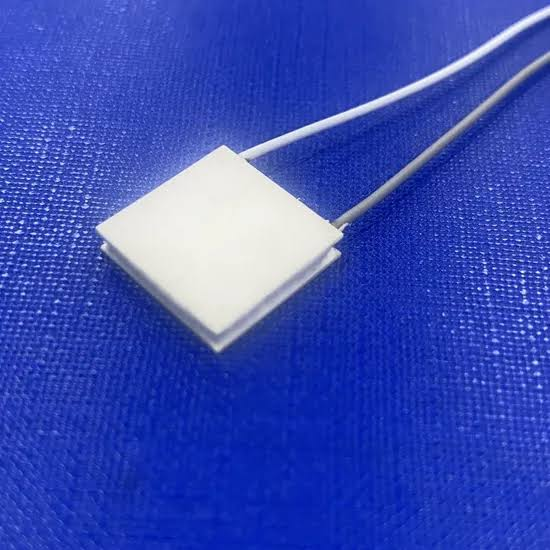
A Peltier module is a compact solid-state device that provides cooling without using traditional refrigerants, compressors, or moving mechanical parts. Also known TEC Cooling Chip as a thermoelectric module, it uses the Peltier effect to transfer heat from one side of the device to the other when electrical current passes through it. Because of its compact design, precise temperature control, and reliability, this technology is widely used in electronics, laboratory equipment, medical devices, optical systems, and specialized cooling applications.
Understanding how a Peltier module works can help engineers, manufacturers, and users choose the right cooling solution for their specific requirements. This guide explores its working principle, construction, advantages, applications, and important factors to consider when selecting a module.
What Is a Peltier Module?
A Peltier module is a semiconductor-based thermoelectric device designed to move heat using electricity. Unlike conventional cooling systems that rely on refrigerant circulation, thermoelectric cooling directly transfers heat through semiconductor materials.
A typical module contains numerous pairs of semiconductor elements connected electrically in series and thermally in parallel. These semiconductor elements are positioned between two ceramic plates. When direct current is applied, one ceramic surface becomes cold while the opposite surface becomes hot.
The direction of current determines which side becomes cold and which side becomes hot. Reversing the electrical polarity reverses the heat-transfer direction, allowing the same device to provide either cooling or heating.
How Does a Peltier Module Work?
The operation of a Peltier module is based on the Peltier effect, a thermoelectric phenomenon discovered by French physicist Jean Charles Athanase Peltier.
When an electric current passes through the semiconductor junctions inside the module, heat is absorbed on one side and released on the other. The cold side absorbs thermal energy from the object or environment being cooled, while the hot side transfers that heat to a heatsink or another cooling system.
The cooling process can be summarized in three basic steps:
- Electrical current is supplied to the module.
- Heat is absorbed from the cold surface.
- Heat is transferred to the hot surface and dissipated.
For effective operation, the hot side must be properly cooled. If heat accumulates on the hot side, the temperature difference between the two surfaces decreases, reducing cooling performance.
Main Components of a Peltier Module
A Peltier module has a relatively simple construction, but each component plays an important role in its performance.
Semiconductor Elements
The semiconductor elements are responsible for thermoelectric heat transfer. They are commonly made from materials such as bismuth telluride because these materials have suitable thermoelectric properties for cooling applications.
Ceramic Plates
Two ceramic plates surround the semiconductor elements. They provide electrical insulation while offering a thermally conductive surface for transferring heat. They also provide structural support and help protect the internal components.
Electrical Connections
The semiconductor pairs are electrically connected, allowing current to flow through the thermoelectric elements. The electrical configuration affects the module’s voltage, current, and overall cooling characteristics.
TEC Cooling Chip and Peltier Technology
A TEC Cooling Chip is another commonly used term for a thermoelectric cooling component based on the same fundamental principle. TEC stands for Thermoelectric Cooler, and these devices are designed to provide controlled heat transfer through the Peltier effect.
A TEC Cooling Chip can be selected according to requirements such as cooling capacity, operating voltage, current, temperature difference, and physical dimensions. In applications where space is limited, thermoelectric technology can provide an effective alternative to larger mechanical cooling systems.
Although terminology varies between manufacturers, terms such as Peltier module, thermoelectric cooler, TEC module, and TEC Cooling Chip are often associated with solid-state thermoelectric cooling technology.
Advantages of Peltier Modules
One of the biggest advantages of Peltier technology is its lack of moving mechanical components. This makes these devices attractive for applications where reliability and compactness are important.
Compact Design
Peltier modules are small and lightweight compared with many conventional refrigeration systems. Their compact size makes them suitable for portable and space-constrained equipment.
Precise Temperature Control
Thermoelectric cooling can be controlled by adjusting electrical current. This allows systems to maintain relatively stable temperatures when combined with appropriate sensors and control electronics.
No Refrigerant Required
Peltier modules operate through semiconductor-based heat transfer rather than refrigerant circulation. This simplifies system construction and eliminates the need for refrigerant handling.
Low Maintenance
Because there are no compressors, pumps, or other moving components inside the module, the device itself generally requires little mechanical maintenance.
Heating and Cooling Capability
By reversing the electrical polarity, a thermoelectric module can switch the hot and cold sides. This makes the technology useful for applications requiring both heating and cooling.
Applications of Peltier Modules
Peltier modules are used across many industries because of their precise and compact cooling capabilities.
Electronics Cooling
Electronic components can generate significant heat during operation. Thermoelectric modules can help control the temperature of sensors, processors, laser components, and other sensitive electronics.
Medical Equipment
Medical and laboratory devices sometimes require accurate temperature control. Thermoelectric cooling can be used in specialized equipment where stable temperatures are important.
Optical and Laser Systems
Laser diodes and optical components can be sensitive to temperature changes. A Peltier module can help maintain an appropriate operating temperature and improve system stability.
Food and Beverage Equipment
Small portable coolers and specialized temperature-control equipment can use thermoelectric technology. These systems can benefit from the compact structure and absence of refrigerant compressors.
Scientific Instruments
Laboratory instruments may require controlled temperatures for accurate measurements. Thermoelectric modules can provide localized cooling or heating without the complexity of traditional refrigeration systems.
Factors to Consider When Choosing a Peltier Module
Selecting the correct module requires more than simply choosing a device with a suitable physical size. Several technical characteristics should be evaluated.
Cooling capacity is one of the most important factors. It indicates how much heat the module can transfer under particular operating conditions. The required voltage and current should also match the power supply and control system.
The maximum temperature difference is another important specification. However, achieving a large temperature difference usually requires careful thermal management and appropriate operating conditions.
The hot-side cooling system is equally important. A heatsink, fan, liquid cooling system, or another heat-dissipation method may be required depending on the application.
Physical dimensions, electrical resistance, operating temperature range, reliability, and expected service life should also be considered before making a selection.
Thermal Management Is Essential
A Peltier module does not destroy heat; it moves it. The heat absorbed from the cold side is combined with the electrical power consumed by the module and released from the hot side.
For this reason, the hot side can become considerably warmer than the surrounding environment. An appropriately sized heatsink or cooling system is therefore essential.
Thermal interface materials can also improve contact between the module and the surfaces being cooled or heated. Poor thermal contact can significantly reduce overall performance.
Peltier Modules vs. Conventional Cooling
Traditional refrigeration systems can provide high cooling capacity and may be more efficient for large-scale cooling. Peltier modules, however, offer advantages in applications requiring compact size, localized cooling, precise temperature control, and minimal mechanical complexity.
The best choice depends on the application. For a small electronic component or specialized instrument, a thermoelectric solution may be practical. For large rooms, industrial refrigeration, or high-capacity cooling, conventional systems are generally more appropriate.
Conclusion
A Peltier module provides an innovative approach to temperature control through solid-state thermoelectric technology. By using the Peltier effect, it can transfer heat without compressors, refrigerants, or moving mechanical parts. Its compact design, reversible operation, precise control, and reliability make it useful across electronics, medical equipment, optical systems, laboratory instruments, and other specialized applications.
Whether referred to as a thermoelectric cooler, TEC module, or TEC Cooling Chip, this technology continues to offer valuable solutions where localized and controlled cooling is required. With proper electrical control and effective hot-side thermal management, Peltier modules can deliver dependable performance in a wide range of modern cooling systems.