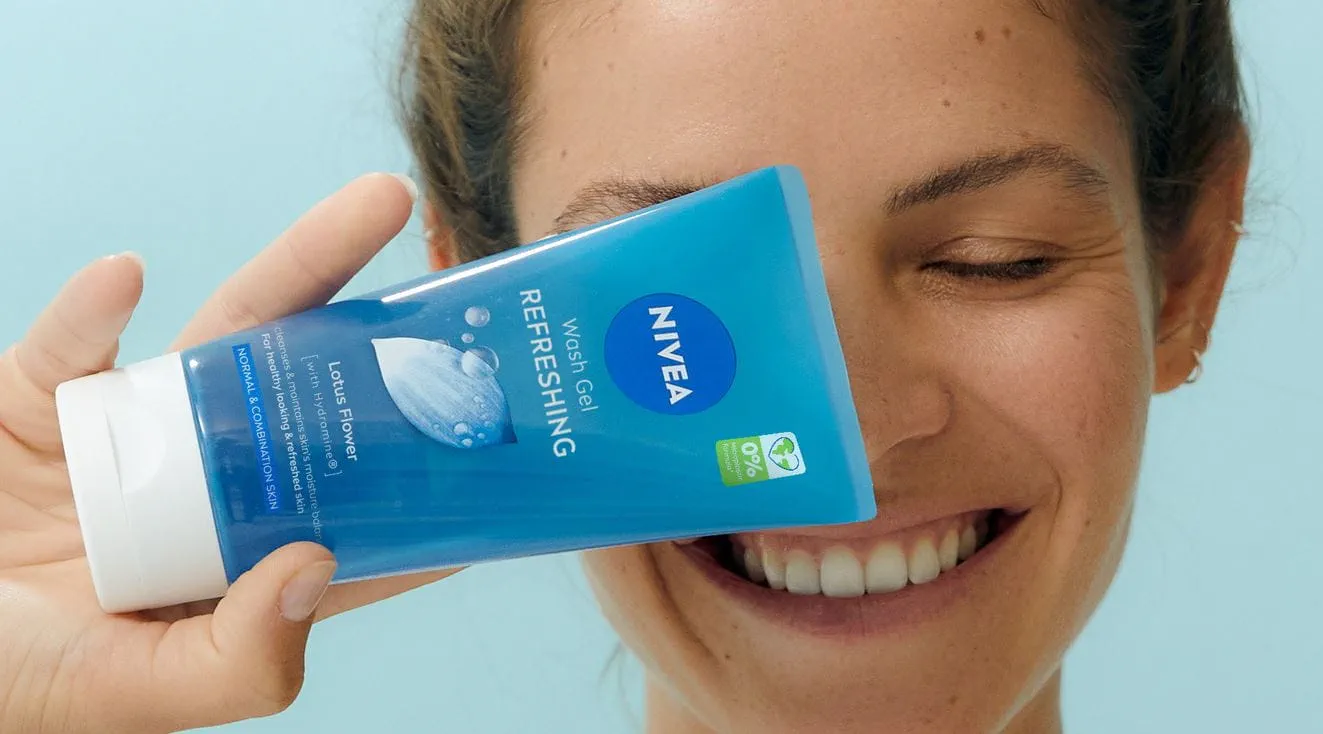
Combination skin can feel like a constant balancing act. One part of your face—typically the T-zone (forehead, nose, and chin)—gets oily, while other areas like your cheeks may feel dry or tight. That’s why choosing the best cleanser for combination skin is crucial. The right formula helps control excess oil while maintaining hydration where your skin needs it most.
In this guide, you’ll learn how to pick the ideal cleanser, what ingredients to look for, what to avoid, and how to build a routine that keeps your skin balanced and healthy.
Understanding Combination Skin
Combination skin is exactly what it sounds like—a mix of different skin types on your face. You may notice shine and enlarged pores in the T-zone while experiencing dryness or flakiness on your cheeks. This dual nature means your cleanser needs to multitask.
A poorly chosen cleanser can worsen both problems. Harsh products may strip moisture and trigger more oil production, while overly rich formulas can clog pores and cause breakouts.
That’s why finding the best cleanser for combination skin is the foundation of an effective skincare routine.
Why the Right Cleanser Matters
Cleansing is the first and most important step in skincare. It removes dirt, oil, makeup, and impurities that build up throughout the day. But for combination skin, it must do more than just cleanse—it must balance.
A good cleanser should:
- Remove excess oil without drying the skin
- Maintain the skin’s natural moisture barrier
- Keep pores clear to prevent breakouts
- Prepare the skin for other products
When your cleanser is too harsh, it can disrupt your skin’s natural pH, leading to increased oiliness and dryness at the same time.
Key Features of the Best Cleanser for Combination Skin
Gentle and pH-Balanced Formula
Look for cleansers labeled as gentle and pH-balanced. These help maintain the skin’s natural acidity, which protects against irritation and imbalance.
Lightweight Texture
Gel or light foaming cleansers are often ideal. They remove oil effectively without feeling heavy or clogging pores.
Non-Stripping Ingredients
Avoid formulas that leave your skin feeling tight or squeaky clean. That’s a sign your natural oils are being stripped away.
Multi-Functional Benefits
The best cleanser for combination skin should hydrate dry areas while controlling oil in the T-zone—without needing separate products.
Best Ingredients to Look For
Choosing the right ingredients is key to balancing your skin. Here are the most effective ones:
Hydrating Ingredients
- Glycerin
- Hyaluronic acid
- Ceramides
These ingredients attract and retain moisture, helping to keep dry areas soft and hydrated.
Oil-Control Ingredients
- Niacinamide
- Salicylic acid
- Witch hazel
These help regulate oil production, reduce shine, and keep pores clear.
Gentle Exfoliants
- Glycolic acid (AHA)
- Mild BHAs
They remove dead skin cells and improve texture without over-drying the skin.
Soothing Agents
- Panthenol
- Green tea extract
- Centella asiatica
These calm irritation and support the skin barrier.
Ingredients to Avoid
Not all cleansers are suitable for combination skin. Some ingredients can worsen imbalance:
- Alcohol (can dry out skin)
- Sulfates (too harsh for daily use)
- Heavy fragrances (may irritate sensitive areas)
- Thick oils in rinse-off cleansers (can clog pores)
Avoiding these ensures your skin stays calm and balanced.
Types of Cleansers for Combination Skin
Gel Cleansers
Lightweight and refreshing, gel cleansers are one of the best options. They effectively remove oil while staying gentle on dry areas.
Foaming Cleansers
Mild foaming cleansers can work well if they are sulfate-free and hydrating.
Cream-to-Foam Cleansers
These provide the best of both worlds—hydration and light cleansing—making them ideal for combination skin.
Micellar Water (Optional)
Great for removing makeup before using your main cleanser, especially if you prefer a gentle routine.
How to Use a Cleanser Properly
Even the best cleanser for combination skin won’t work if used incorrectly. Follow these steps:
Step 1: Use Lukewarm Water
Hot water can dry out your skin, while cold water may not cleanse effectively.
Step 2: Apply a Small Amount
A pea-sized amount is usually enough for your entire face.
Step 3: Massage Gently
Focus on oily areas like the T-zone, but don’t neglect dry areas.
Step 4: Rinse Thoroughly
Make sure no residue is left behind.
Step 5: Pat Dry
Use a soft towel and avoid rubbing your skin.
Common Mistakes to Avoid
Over-Cleansing
Washing your face too often can strip natural oils and cause more oil production.
Using Harsh Products
Strong cleansers may worsen both dryness and oiliness.
Skipping Moisturizer
Even combination skin needs hydration. Skipping moisturizer can make your skin produce more oil.
Ignoring Ingredients
Always check the label. The wrong ingredients can undo all your skincare efforts.
Building a Simple Routine
To get the most out of the best cleanser for combination skin, pair it with a balanced routine:
Morning Routine
- Gentle cleanser
- Lightweight moisturizer
- Sunscreen
Evening Routine
- Cleanser
- Treatment (if needed, like salicylic acid for acne)
- Hydrating moisturizer
Consistency is key. A simple routine often works better than using too many products.
Final Thoughts
Finding the best cleanser for combination skin doesn’t have to be complicated. Focus on balance—choose a gentle, hydrating formula that also controls oil. Look for ingredients like niacinamide, hyaluronic acid, and salicylic acid, and avoid harsh additives that can disrupt your skin.
When you use the right cleanser consistently, your skin will feel cleaner, smoother, and more balanced. Over time, you’ll notice fewer breakouts, less dryness, and a healthier overall glow.