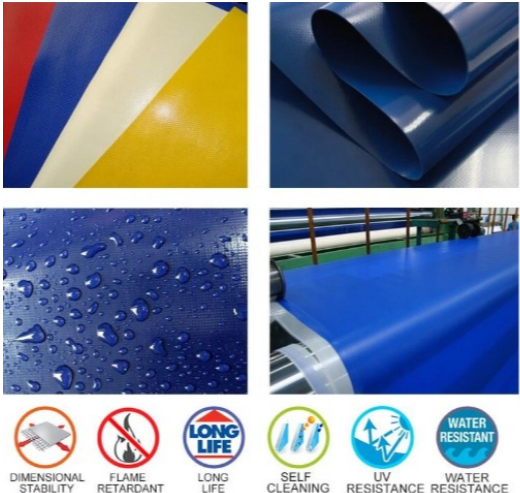
When it comes to heating, ventilation, and air conditioning (HVAC) systems, the type of ductwork you choose can significantly affect energy efficiency, air quality, and overall comfort. Traditionally, metal ducts have been the go-to option for many residential and commercial buildings. However, in recent years, air duct fabric has emerged as a flexible and efficient alternative. Understanding the differences between these two materials can help homeowners and business owners make an informed decision.
Understanding Air Duct Fabric
Air duct fabric, also known as fabric ductwork or textile ducting, is made from high-quality polyester or other durable fabrics. It is designed to distribute conditioned air evenly across a space while being lightweight and easy to install. Unlike metal ducts, which rely on rigid structures to direct airflow, fabric ducts use a permeable or vented material that allows air to diffuse naturally.
One of the key advantages of air duct fabric is its flexibility. Fabric ducts can be customized to fit spaces with unusual layouts or limited ceiling height. They are available in a variety of colors, shapes, and sizes, making them a versatile choice for both functional and aesthetic purposes.
Fabric ducts are often used in commercial spaces like gyms, offices, and warehouses, but they are increasingly being adopted in residential applications as well. The lightweight nature of fabric ducts reduces the need for heavy support structures, which can lower installation costs and simplify maintenance.
Advantages of Air Duct Fabric
One of the most significant benefits of air duct fabric is its even distribution of airflow. Traditional metal ducts often deliver air in concentrated streams, which can lead to hot or cold spots within a room. Fabric ducts diffuse air along their entire surface, creating a more uniform temperature throughout the space. This can improve comfort and reduce energy consumption by preventing overworking of HVAC systems.
Fabric ducts also excel in noise reduction. Metal ducts can amplify the sound of moving air or the HVAC system itself, creating unwanted noise in offices, classrooms, or homes. The porous nature of fabric duct material absorbs sound, resulting in a quieter and more comfortable environment.
Maintenance is another area where fabric ducts have an advantage. Many fabric ducts are machine washable or easy to clean with simple methods, unlike metal ducts, which may require professional cleaning to remove dust, mold, or debris. Fabric ducts are also resistant to condensation, which can minimize the risk of mold growth inside the system.
Traditional Metal Ducts: Pros and Cons
Metal ducts, typically made from galvanized steel or aluminum, have been the standard in HVAC systems for decades. They are durable, fire-resistant, and capable of handling high airflow pressures. Metal ducts are also ideal for long-term installations in large buildings, where structural integrity and strength are priorities.
However, traditional metal ducts are not without drawbacks. Installation can be labor-intensive and expensive due to the weight and rigidity of the material. Cutting, sealing, and securing metal ducts require specialized tools and expertise. Additionally, metal ducts can develop leaks over time, reducing energy efficiency and increasing utility costs.
Air quality can also be a concern with metal ducts. Dust and debris can accumulate in hard-to-reach areas, and if not regularly cleaned, these ducts may contribute to allergens circulating in indoor air. Noise is another issue, as metal ducts can amplify vibrations and airflow sounds throughout a building.
Energy Efficiency Comparison
Energy efficiency is a critical factor when choosing between air duct fabric and metal ducts. Fabric ducts are designed to optimize airflow, reducing the energy required to heat or cool a space. The even distribution of air allows HVAC systems to operate at lower speeds while still maintaining consistent temperatures, which can lead to noticeable energy savings over time.
Metal ducts, while generally efficient, are more prone to leaks and pressure drops if not properly sealed and insulated. Leaky ducts can waste significant amounts of energy, as conditioned air escapes before reaching the intended space. Additionally, the rigid nature of metal ducts may limit flexibility in airflow design, which can result in hotspots and uneven temperature distribution.
Installation Considerations
Installing air duct fabric is typically faster and less labor-intensive than installing traditional metal ducts. Fabric ducts are lightweight, can be rolled or folded for transport, and often use simple support systems such as cables or hangers. This can be particularly beneficial in spaces where construction time is limited or ceiling access is restricted.
In contrast, metal ducts require precise measurements, cutting, and sealing. Heavy materials demand more structural support, which can increase installation time and costs. Retrofitting metal ducts into existing buildings can be especially challenging due to the need for rigid, straight runs and complex joint connections.
Maintenance and Longevity
Air duct fabric is easy to maintain and clean. Many fabric ducts are designed to be removable and machine washable, allowing for routine maintenance without the need for specialized services. The resistance to condensation and mold growth also contributes to better indoor air quality and lower long-term maintenance costs.
Metal ducts are durable but require periodic inspection and cleaning to maintain efficiency. Dust, debris, and moisture can accumulate inside the system, potentially leading to mold, corrosion, or reduced airflow. Professional cleaning of metal ducts can be costly and disruptive, making maintenance an important consideration for long-term planning.
Cost Comparison
The initial cost of air duct fabric is often lower than that of traditional metal ducts due to reduced material and labor requirements. Lightweight construction, ease of installation, and fewer support structures make fabric ducts a cost-effective solution for many projects.
Metal ducts may have a higher upfront cost due to materials and labor, but they offer long-term durability and fire resistance. For projects requiring high airflow capacities or systems exposed to mechanical stress, metal ducts may still be the preferred choice despite the higher installation cost.
Aesthetic and Design Flexibility
Fabric ducts offer a distinct advantage in terms of aesthetics and design flexibility. Available in a wide range of colors and patterns, fabric ducts can blend seamlessly with interior design or even serve as a visual feature. Their shape can be customized, including round, oval, or rectangular profiles, allowing them to adapt to unique architectural spaces.
Metal ducts, while functional, are often utilitarian in appearance and may require additional finishing or concealment to match interior aesthetics. Exposed metal ductwork can contribute to an industrial look, which may or may not align with design preferences.
Environmental Impact
Air duct fabric is generally lighter and requires less energy to manufacture and transport, reducing its overall environmental footprint. Many fabric ducts are also made from recyclable or sustainable materials, further contributing to eco-friendly building practices.
Metal ducts, while recyclable, involve energy-intensive production processes and heavier transportation requirements. Over time, the energy losses from leaks and inefficient airflow in metal ducts can also contribute to higher environmental costs compared to well-designed fabric duct systems.
Making the Right Choice
Deciding between air duct fabric and traditional metal ducts ultimately depends on the specific needs of a building and its occupants. Fabric ducts excel in energy efficiency, even airflow distribution, noise reduction, and ease of maintenance, making them ideal for commercial and residential spaces where comfort and flexibility are priorities.
Metal ducts remain a strong choice for long-term durability, high-pressure airflow, and fire resistance. They are well-suited for large-scale projects or environments requiring structural rigidity and robustness.
For many modern applications, air duct fabric offers a combination of performance, design flexibility, and cost-effectiveness that traditional metal ducts may struggle to match. Evaluating factors such as installation complexity, maintenance requirements, energy efficiency, and aesthetics can help determine which option is better for a particular project.
In conclusion, air duct fabric is not just a trendy alternative—it is a practical, efficient, and versatile solution for modern HVAC systems. While metal ducts have their place in specific applications, fabric ducts are increasingly proving to be a superior choice for achieving comfort, efficiency, and long-term savings in a variety of settings.