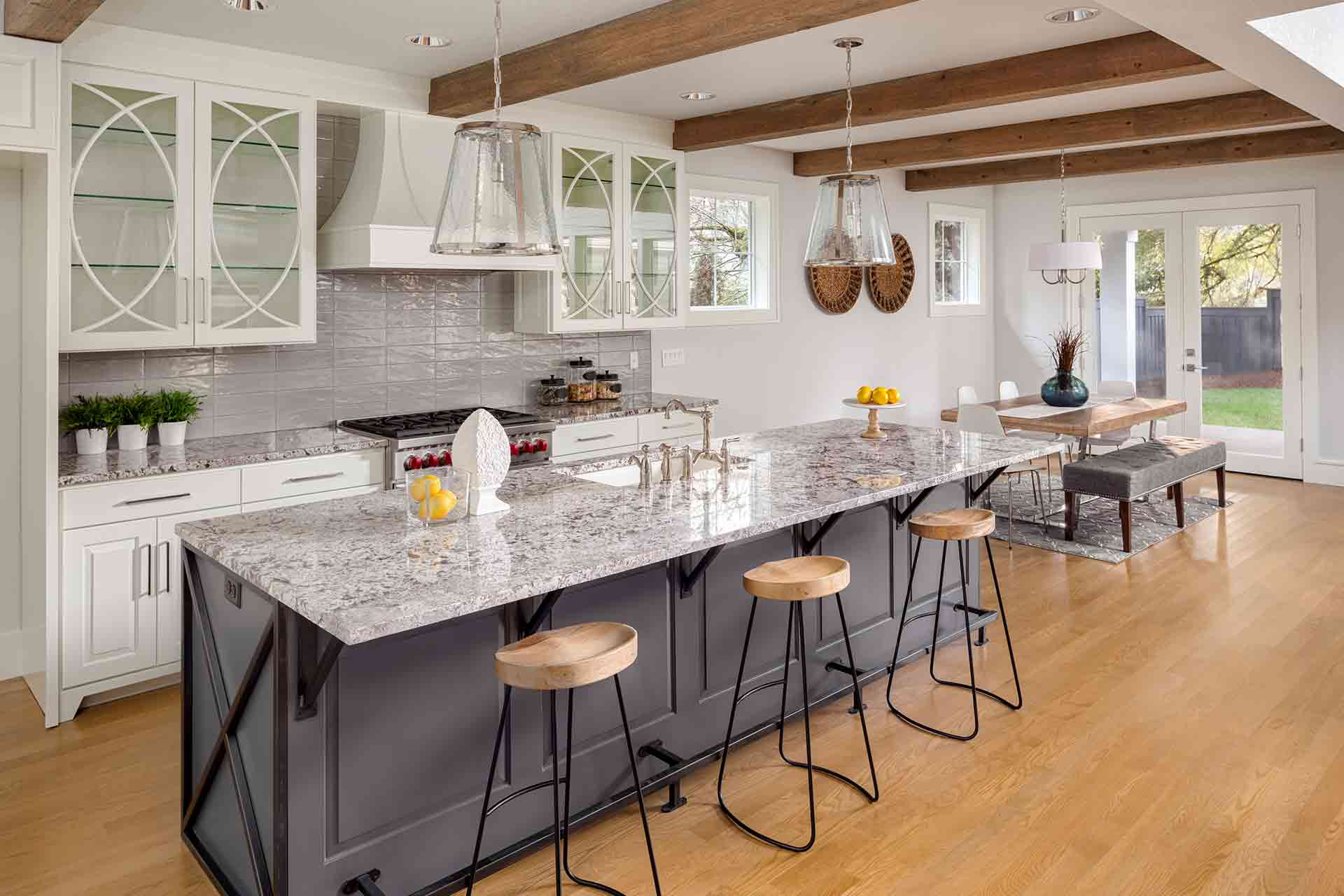
Thinking about a kitchen makeover? Understanding how much does a new kitchen cost is the first step to planning a project that fits your budget and your lifestyle.
Many homeowners ask how much does a new kitchen cost. The short answer is that it depends on scope, materials, and labor, but you can estimate by breaking the project into clear categories and considering both upfront and ongoing costs.
What drives kitchen costs?
Several factors influence the final figure. The size of the space, the layout, and the chosen level of finish all play major roles. Cabinets and doors range from stock to custom; countertops can be laminate, quartz, or solid surface; and appliances vary by brand, energy rating, and features. Beyond materials, labor rates, removal of old units, plumbing and electrical work, and installation timelines all add or subtract from the total.
- Cabinets and storage solutions (stock vs. bespoke)
- Countertops material and edge profiles
- Appliances and ventilation
- Plumbing and electrical updates
- Flooring, backsplashes, and wall finishes
- Site access and logistics (stairs, lifting materials, etc.)
- Project management and installation fees
The real-world impact of these choices often means a wide price band. For homeowners in the UK, a basic renovation with ready-made units and standard appliances will cost much less than a full-scale, custom-designed kitchen with premium fittings. The key is to plan for both the ideal design and acceptable compromises that maintain quality and workflow.
Pricing ranges you might encounter
In general terms, you can expect a kitchen project to fall into these broad ranges, though actual prices will vary by region and specifics:
Entry-level or DIY-friendly projects may start around £4,000–£8,000 for modest spaces with ready-made elements and basic appliances. Mid-range renovations, offering better materials, more robust cabinetry, and mid-tier appliances, often fall between £10,000 and £20,000. For high-end, designer finishes, premium countertops, and top-tier appliances, budgets can exceed £30,000 or more, especially if you include plumbing and layout changes, structural work, or bespoke cabinetry.
Maximizing value without compromising quality
To keep costs sensible, consider phased upgrades, standard cabinet sizes, and combining stock components with select premium touches. Replacing doors or refacing existing cabinets can dramatically refresh the look at a reduced cost. Request itemized quotes from multiple installers to compare materials, labor, and lead times. A well-planned design brief—must-haves, nice-to-haves, and a realistic budget ceiling—helps trades deliver accurate estimates and reduces change orders.
Planning tips to control the budget
Start with a clear design brief and a measured floorplan. Think about workflow: the sink, oven, and fridge should form an efficient work triangle; ensure adequate lighting and electrical sockets for appliances and small devices; and plan for adequate ventilation. If you’re unsure where to start, draw inspiration from design galleries, color palettes, and material samples to avoid expensive mid-project changes.
For more inspiration and practical tips on layout and finishes, visit Deco Home.