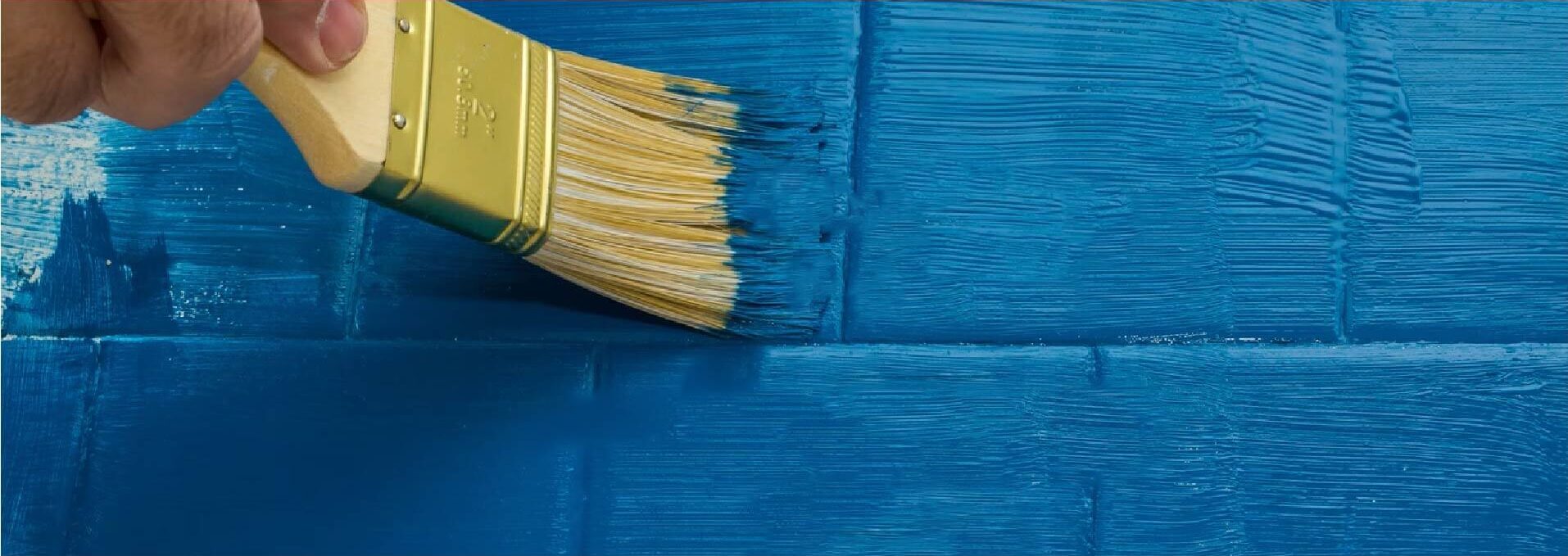
Is your bathroom tile dated, stained, or chipped? A fresh coat of paint can dramatically change the look without the expense of tile replacement. If you’re looking for a proven method, study How to paint bathroom tile and then follow the steps below to get a durable, water-resistant finish.
Why paint tile instead of replacing
Replacing ceramic or porcelain tile in a full bathroom can be costly and time-consuming. Painting offers a budget-friendly refresh that updates color, brightness, and style in a weekend or two. When you prepare surfaces properly and use the right coatings, painted tile can resist moisture, soap scum, and daily traffic for several years.
Step-by-step guide
- Gather supplies: high-quality primer designed for glossy tile, tile paint or epoxy topcoat, brushes, rollers, a sanding block, cleaner, masking tape, and drop cloths.
- Clear the area and protect fixtures. Remove outlet covers if possible, or tape around them with painter’s tape. Place drop cloths to catch drips.
- Clean thoroughly. Use a degreasing cleaner to remove soap, oils, and grime. Rinse well and let the surface dry completely.
- Score and lightly abrade the glaze. Lightly sand glossy tile with fine-grit sandpaper so the primer can grab. Wipe away dust with a damp cloth and let dry.
- Apply a high‑quality bonding primer suitable for tile surfaces. This step is crucial for adhesion and long-term durability.
- Paint with your chosen coating. Use a ceramic or epoxy tile paint for bathrooms, applying thin, even coats. Allow each coat to cure per product instructions before applying the next.
- Seal and cure. After the final coat, apply a clear, moisture‑resistant sealant if recommended by the paint manufacturer. Give the surface ample time to cure before exposing it to moisture.
Finishing tips and maintenance
Temperature and humidity in the bathroom can affect drying and durability. Ventilate the space during painting and curing, and avoid showering until the finish has fully cured. For best results, touch up any missed spots after the finish has set. If you notice peeling or soft edges after a few months, sand lightly and recoat following the same steps.
For more home improvement ideas, visit the HausFixr homepage and explore tutorials, guides, and product reviews.
If you want a quick path to detailed instructions, you can also revisit How to paint bathroom tile for a step-by-step walkthrough, materials list, and common mistakes to avoid.

