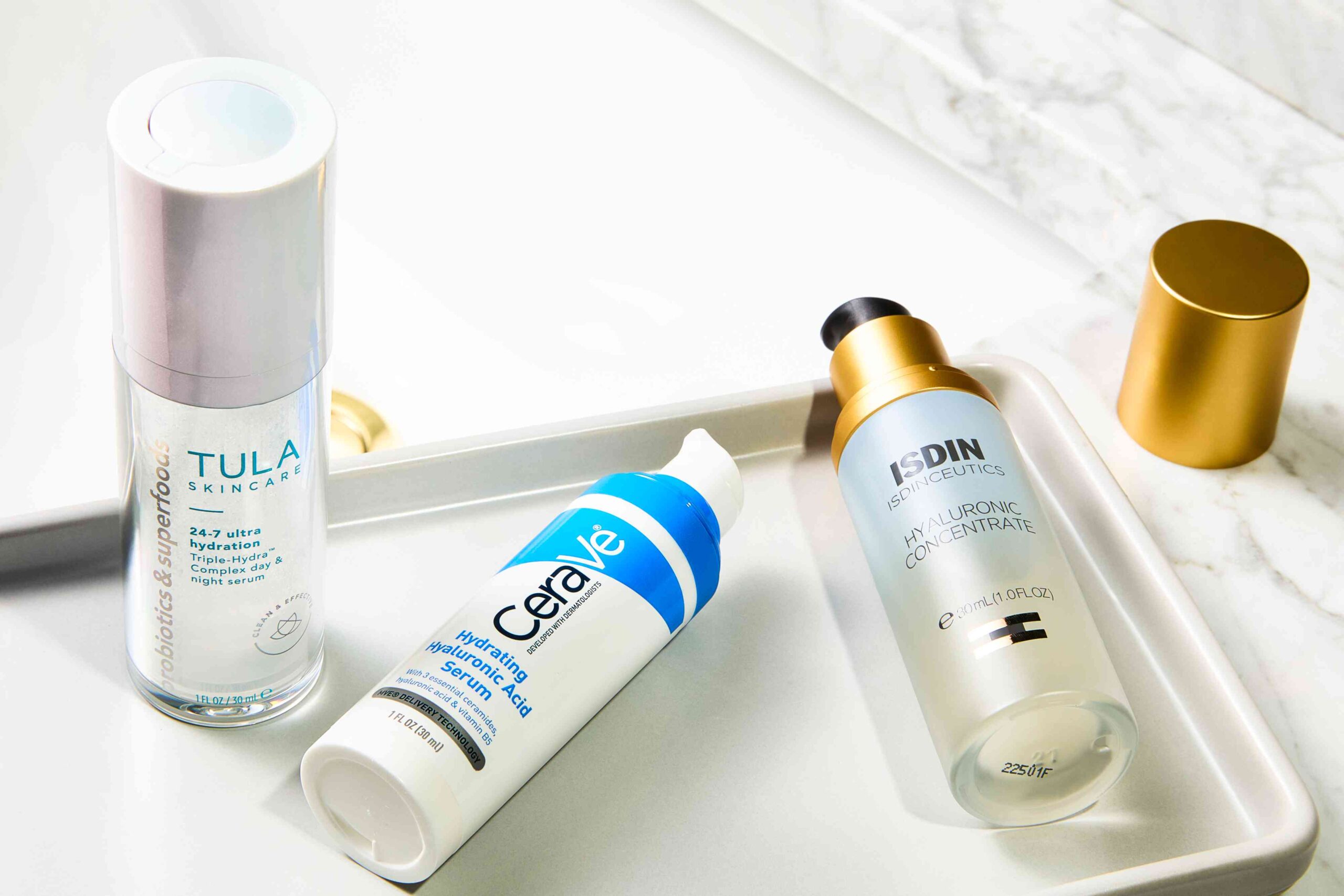
Dry skin can feel tight, flaky, and prone to fine lines. A well-chosen face serum for dry skin acts as a concentrated booster, delivering moisture, barrier support, and nourishment beneath your moisturizer. By focusing on humectants, emollients, and ceramides, you can transform dull, rough skin into a softer, more resilient complexion. In this guide, you’ll learn what to look for in a serum, how to apply it for maximum benefit, and practical tips to customize your routine.
Why a Serum Makes a Difference for Dry Skin
Serums are formulated with smaller molecules and higher actives than most moisturizers, allowing rapid penetration into the skin’s surface. For dry skin, a serum helps to replenish water, lock it in, and repair the skin barrier that often becomes compromised by seasonal changes, cleansing, or environmental stress. When used correctly, a serum can reduce flakiness and improve suppleness without leaving a heavy residue. Pairing a serum with a rich moisturizer creates a dual-layer defense: hydration at the base and an occlusive seal on top.
Key Ingredients to Look For
Some ingredients repeatedly prove beneficial for dry skin. Hyaluronic acid and glycerin are superb humectants that attract water from the air and the deeper layers of your skin. Ceramides help restore the lipid barrier, while squalane provides lightweight, non-greasy emollience. Niacinamide supports skin barrier function and can brighten a dull complexion. If you have very dry or sensitive skin, look for fragrance-free formulas and a stable, gentle pH that respects your skin’s natural balance. A well-rounded serum may combine two or more of these actives to deliver sustained hydration and barrier repair. For added resilience, consider time-release or cross-linked hyaluronic acid, ceramides 3 and 6 II, panthenol (pro-vitamin B5), and antioxidants such as vitamin E and green tea extract.
How to Choose and Use a Face Serum for Dry Skin
When selecting a serum, start with your skin type, climate, and any sensitivities. Check for a serum that supports moisture retention as well as barrier repair, and note packaging—pump dispensers are preferable for preserving stability. To use, apply the serum to slightly damp skin after cleansing, so humectants can pull in moisture effectively. Follow with a rich moisturizer or facial oil to seal in hydration. Sunscreen is essential in daytime routines, as UV exposure can worsen dryness and accelerate aging. If you have eczema-prone or ultra-dry skin, consider patch-testing new products and consulting a dermatologist before broad use.
Application Tips and Routine Ideas
For best results, incorporate the serum twice daily during the first few weeks to establish a routine. If your skin reacts to active ingredients, start with once-a-day use and gradually increase. You can layer the serum under a hyaluronic acid-based moisturizer for a double-hit of hydration, or apply a ceramide-rich moisturizer on top for lasting barrier support. If you’d like to explore more in-depth strategies, you can read a complete guide that dives into deep hydration, key ingredients, application tips, and even DIY recipes.
For a comprehensive resource you can trust, face serum for dry skin offers expert insights, product picks, and practical advice to tailor hydration to your needs.
Another helpful stop for skincare inspiration is the Studio Stylee homepage, where you can explore more expert-backed content and product recommendations. Studio Stylee also features tips on layering, routines, and long-term skin health.
Bottom line: your dry skin will respond best to consistency and gentle formulations. Start slow, patch test new products, and gradually build a routine that suits your climate. Keep an eye on fragrance, essential oils, and potential irritants. Hydration plus a strong barrier yields lasting glow.