This era—often summarized as 1950 fashion—revived elegance after wartime shortages and sparked a new sense of luxury in everyday wardrobes. Fabrics were easier to source, and consumer confidence returned, allowing designers to experiment with volume, femininity, and refined tailoring. The look quickly spread from runways to streets, influencing style across continents.
When Christian Dior unveiled the New Look in 1947-1950, he set the tone for the decade: cinched waists, softly rounded shoulders, and full skirts that swirled with movement. Though the silhouette evolved through the early 1950s, the core idea remained: shape and polish could coexist with practicality. Tailored jackets, peplum detailing, and tea-length dresses became everyday staples for many women.
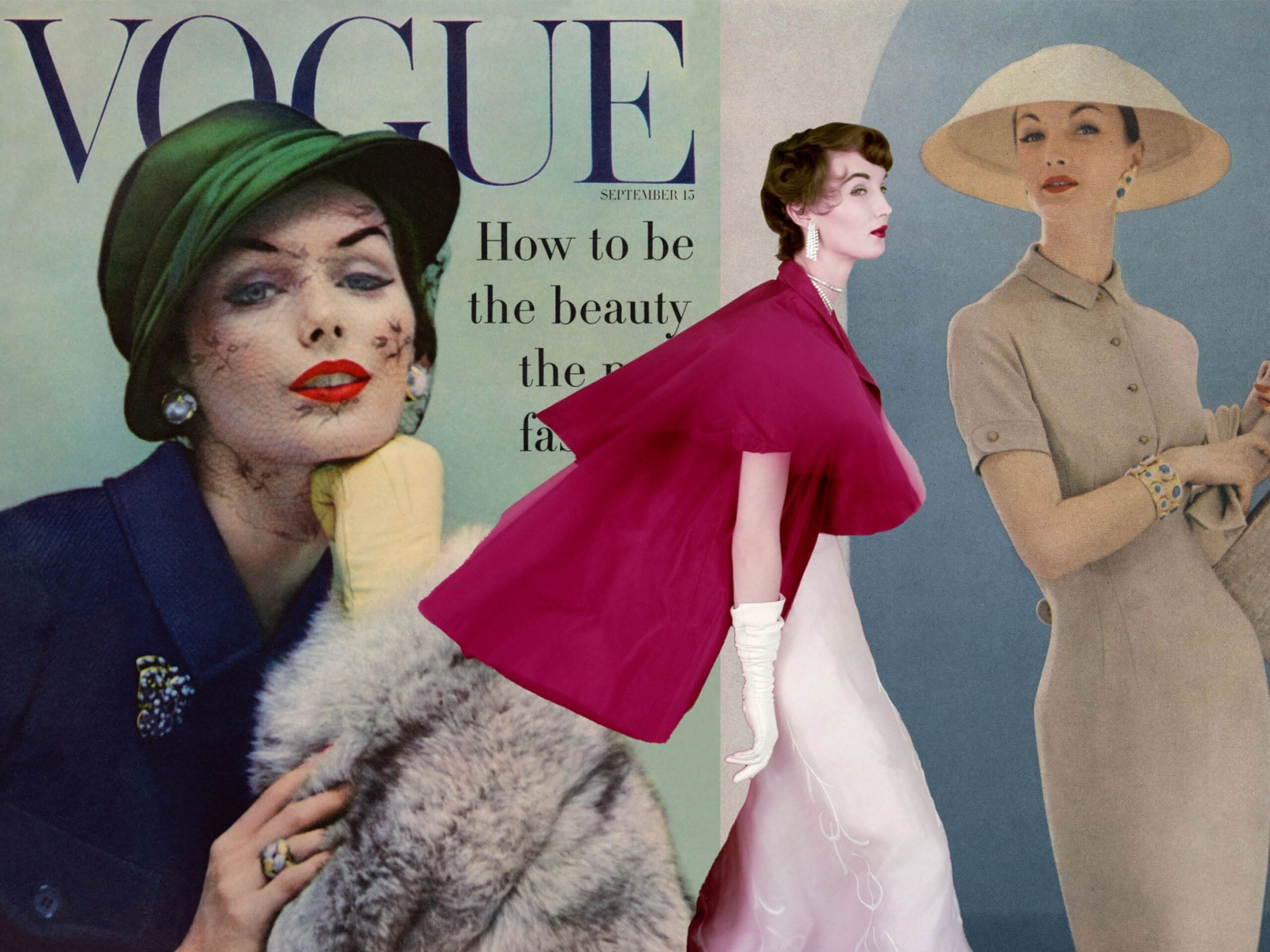
Silhouettes in the mid-1950s experimented with waistlines and volume. The empire waist gave way to nipped waists and organza overlays, while waistlines defined through belts created a flattering column of lines. Evening wear favored luxurious fabrics—silk, satin, velvet—paired with gloves and delicate jewelry to elevate even simple day dresses into event-ready looks.
Color palettes leaned toward pastels in spring and vibrant primary tones for party wear. Florals and checks appeared in daywear, while black and white remained a perennial foundation for sophisticated ensembles. Textures mattered: shiny patent leather, structured taffeta, and softly draped chiffon added depth to outfits, making fashion both tactile and photogenic—perfect for magazine spreads and film scenes alike.
Accessories completed the look. Cat-eye sunglasses, pillbox hats, satin gloves, and structured handbags were as much a part of the outfit as the dress itself. Hair often featured victory rolls or classic waves, while makeup highlighted red lips and defined brows. Collectible fashion items—bijou jewelry, brooches, and embellished belts—could transform a simple frock into a statement piece.
Men’s fashion also reflected the era’s refined taste. Suits with slim, clean lines, narrow lapels, and softly structured shoulders defined the 1950s male silhouette. Trousers tapered slightly at the ankle and were paired with polished oxfords or loafers. A crisp shirt and a neat tie completed a look that exuded understated elegance rather than flashiness.
In popular culture, icons like Grace Kelly, Audrey Hepburn, and Marilyn Monroe helped cement this decade’s aesthetic in the public imagination. Film costumes and glossy magazine spreads made the New Look aspirational, inspiring home wardrobes and boutique windows around the world. The style became a symbol of resilience, optimism, and a new kind of femininity that valued poise and polish.
How can today’s fashion lovers draw from 1950 fashion while keeping a modern edge? Start with the silhouette: a well-fitted pencil or A-line dress with a defined waist, or a tailored cardigan over a neat sheath. Pair with classic accessories—gloves, a structured handbag, or a chic pair of kitten heels—and add modern fabrics or prints for a contemporary twist. For shoppers, prioritize quality fabrics and careful tailoring; a single well-made piece often outlasts fast-fashion clutter.
For further reading and a focused look at retro-inspired trends, explore additional resources on the 1950 fashion feature. For a broader overview of vintage style and fashion history, visit the Readesh homepage.